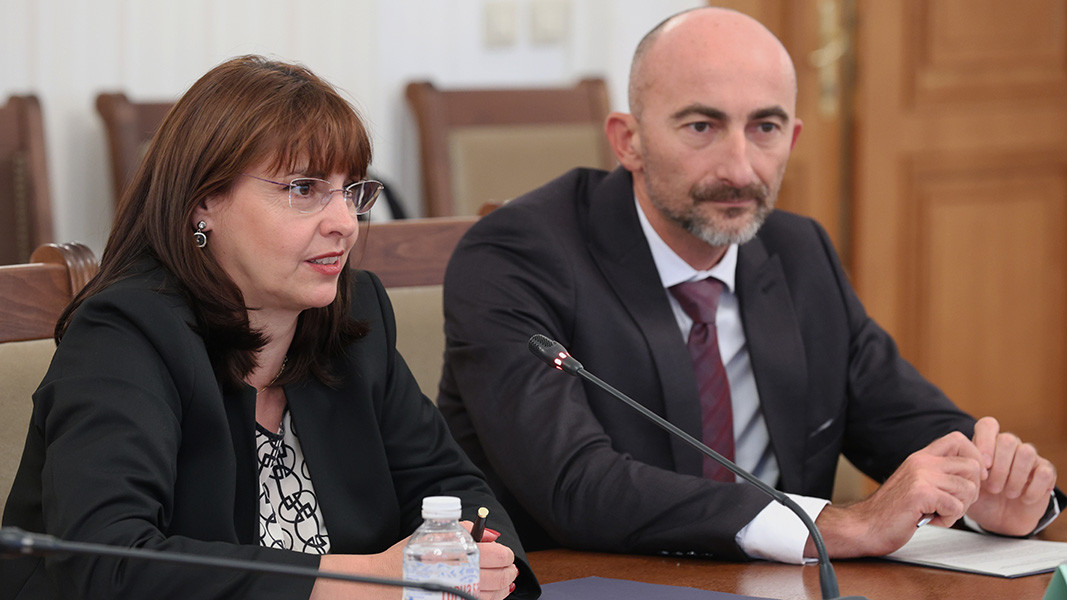
Bulgarians living abroad have shown unprecedented interest in the Ministry of Labour and Social Policy’s “I Choose Bulgaria” programme, deputy Minister for Social Affairs Natalia Efremova told the Committee on Policies for Bulgarians Abroad in Parliament.
The initiative aims to encourage long-term returns for Bulgarians living abroad, people of Bulgarian descent, and third-country nationals who do not require work permits. Launched this summer, the programme has a total budget of around €33.5 million, 85% of which comes from European funding. The budget is divided into two components: approximately €13.3 million to support Bulgarians returning from abroad and €20.4 million to encourage internal mobility, helping people relocate from larger cities to smaller towns for employment and settlement.
Successful applicants receive an initial relocation grant of around €2,550 if moving from an EU country, or €5,100 if moving from a third country. Payments are staged: after six months, participants receive 30% of the sector’s average six-month salary, and after 12 months, they receive 50%
Within days of its launch, the programme received 2,100 applications for just 1,000 places. “We expected strong interest, but not at this level. We thought it would take at least two months to fill the places, but it happened in just four to five days,” Efremova said, noting that many applicants are well-educated and have families.
The programme also targets Bulgaria’s historical diaspora, and an active information campaign is under way. Although it is open to citizens of third countries without Bulgarian descent, Efremova said interest from this group has been minimal.

Applicants must prove they have lived abroad for at least 12 of the last 18 months, providing documents such as rental contracts or utility bills. The ministry is coordinating with other institutions to support reintegration, including offering language courses for those not fluent in Bulgarian. It is also working with businesses, particularly the Construction Chamber, to promote career opportunities, with non-governmental organisations involved in the process.
To prevent abuse, the programme will be monitored in cooperation with the National Revenue Agency, ensuring participants are genuinely employed in Bulgaria rather than exploiting financial incentives.
A second component aimed at internal mobility within Bulgaria, encouraging moves from larger cities to smaller towns with similar incentives, is not yet open, Efremova added.
Judges have opposed the introduction of a new antivirus agent on their computers. The magistrates fear that it could violate personal data protection rules and compromise the independence of the judiciary. In an official letter, the Bulgarian..
GERB leader Boyko Borisov said in Parliament that Bulgaria will become a member of the eurozone on January 1, regardless of protests organized by representatives of We Continue the Change Democratic Bulgaria (PP-DB). He was commenting on opposition..
Six countries, including Bulgaria, are at risk of non compliance with the EU fiscal framework in 2026. This is highlighted in the 2026 European Semester Autumn Package, adopted by the European Commission. Another 12 countries are urged to continue..






 Cloudy
 Scattered showers
 Cloudy