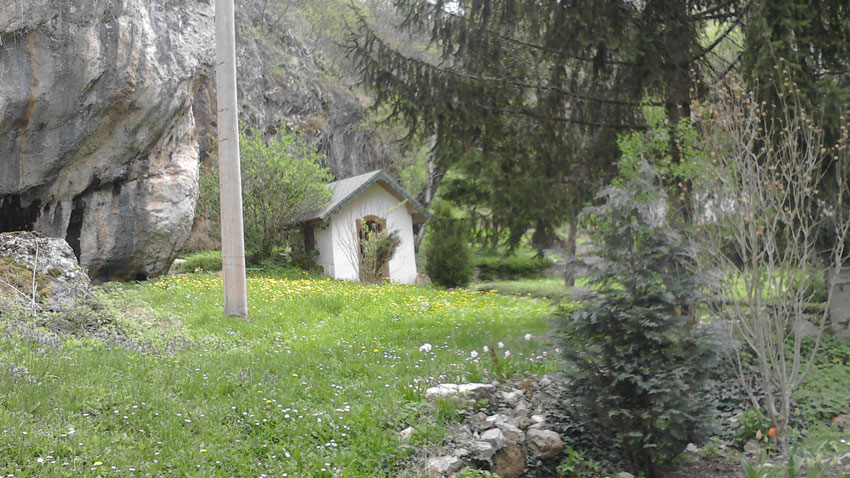
The Monastery of Zhablyano St. John the Baptist is hidden in the slopes of Konyavska Mountain not far from the village of Zhablyano. In it monks make a living on their own – with hard work. The precise date when this holy place emerged is not known. Presumably the monastery was built on the plot of an ancient shrine. More about the facts that have reached our time – from priest Kliment:
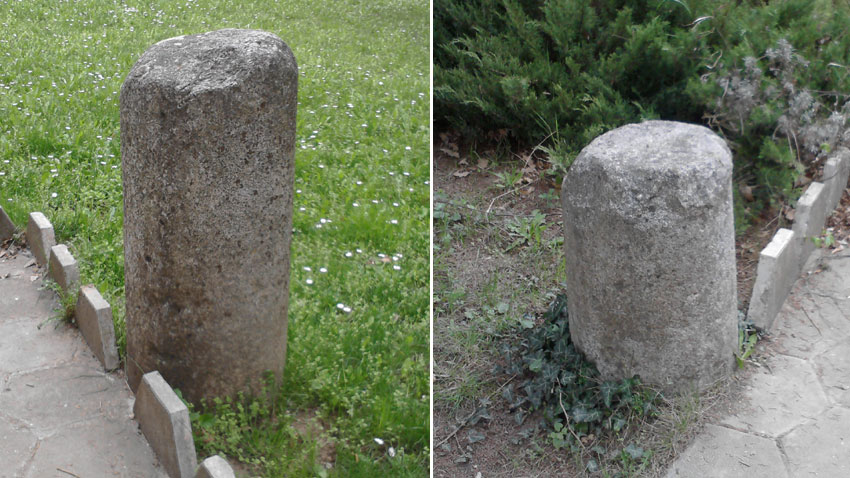
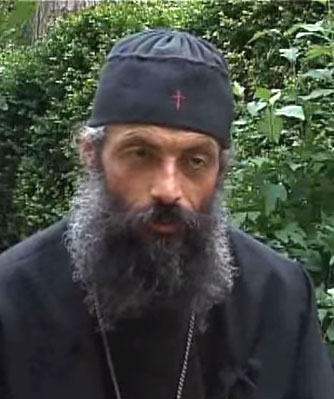 “Unfortunately the monastery went on fire on two occasions and everything was destroyed. This is something we know from the locals. In the monastery yard there are two circular granite columns typical of early Christianity. It is supposed that as early as the Roman era a Christian temple stood in this place. Most probably the holy spring which is in the monastery yard today was part of the altar in the past. It is also known that St. Ivan of Rila starting from his village of Skrino along the River Strouma, spent some time at Zhablyano Monastery. There is no written evidence about spiritual life here. During the Ottoman yoke it might have been the scene of massacres because wherever we dig we come across chaotically scattered human bones. This speaks of brisk activity in the monastery. In the aftermath of 1944, a hieromonk lived alone here. When the communists wanted to cut down the monastery forest (about 80 hectares) he opposed them and was killed. After that the monastery went into decline. The locals took their livestock here for grazing and watering. There are old buildings that we have recently renovated. In the 1960s the Holy Synod of the Bulgarian Orthodox Church sent three nuns here who with absolute precision wrote down the liturgical rules read on a particular day. In 1979, the incumbent Father Superior Kassian came here. For close to 12 years he lived with a novice and an elderly man. It was a time of hardship, and the monastery was in a state of deprivation because of a debt it had to repay. Kassian mowed hay and went to sell it. In the course of one year he collected 4 trucks of hay that he would sell to repay the debt, buy livestock and restore the monastery. In 1992, a new generation came in the monastery – we were young men who had just graduated the Seminary and we wanted to lead a spiritual life. It was difficult, the monastery had no means, and livelihood was meagre. Our enthusiasm gave us the strength to overcome hardships. In its present shape the cloister has existed since the 1990s.”
The history of Zhablyano Monastery is connected with the name of Averkiy Popstoyanov, a monk from Rila Monastery who studied in Bucharest on a scholarship from the monastery. When he returned he became a teacher and introduced teaching methods unknown in Bulgaria. He taught pupils in many towns including Kyustendil where he was head teacher in the middle high school. He was very knowledgeable and his colleagues teachers wrote a letter to the father superior of Rila Monastery asking him to take his monk back because he had left them without pupils. In 1879,Averkiy Popstoyanovbecame father superior of Zhablyano Monastery where he created a monastery school. Besides he built a new church in the place of an old ruined one. “Today only its iconostasis has survived – painted by masters from the leading school of Stanislav Dospevski. It has a more recent line of icons added to it painted in the early 20th century,” father Kliment tells us and says how the monastery is attractive for laymen.
“Above all we do not recognize the so-called new calendar introduced in 1968 – it is not canonical. It was accepted by way of a decree. During communism things happened exactly this way. In the past feasts were marked on certain dates, and today – on different dates. This generates a dual attitude to the church, church feasts and the saints. We want to observe the canon and the calendar the way these were established in ancient times, in the earliest ages of Christianity. We strive to perform the sacraments according to the canon. When in church canons and rules are not observed the way they were established in ancient times this represents a spiritual crime to God. In recent years there has been frivolous thinking in the belief that rituals should not necessarily be performed according to the established canon. Baptism is exactly the act of immersing the whole human body into water. There is enough evidence of this ritual from very ancient times. The Acts of the Apostles and The Lives of the Saints indicate how each apostle was baptized. Even St. John the Baptist baptized Jesus Christ by immersing Him in the River Jordan. These are things that we humans cannot change. They are established by God. The Holy Apostles, Holy Fathers, the whole church has established these rules and canons. We are just sinful men and so we cannot change them. The trouble is that going back to the basics is difficult: you have to start from the very top of the church and sort out these irregularities.”
English Daniela KonstantinovaPhotos: Svetlana Dimitrova
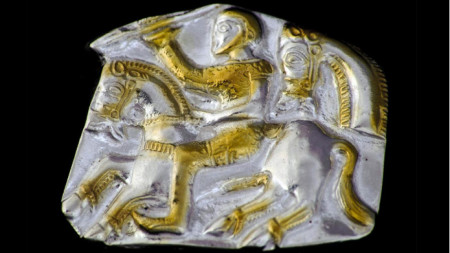
In the world of the Thracians, who had no written language, the most important messages were conveyed through art. The Letnitsa Treasure is precisely such a message — about power, beliefs, and the path to wisdom . This unique discovery, dated between..
On November 21, the day of the Presentation of Virgin Mary (or the Entry of the most Holy Theotokos into the Temple), the Orthodox Bulgarians also celebrate the Day of the Christian Family and the Learning Youth. The holiday was established by the..
During a visit by the Radio Bulgaria team to the Bulgarian Orthodox Parish "Nativity of the Mother of God" in Geneva, we had the pleasure of meeting Ventseslav Sabev, the son of long-time church history professor at the Sofia Theological Seminary,..



 Partly Cloudy
 Mostly Cloudy
 Fog
Fog