Podcast in English
Text size
Bulgarian National Radio © 2025 All Rights Reserved

OECD: Second wave of Covid-19 will shrink the Bulgarian economy by over 8%

Photo: capital.bg

The Bulgarian economy grew before the pandemic, but in 2020 it is facing its most serious contraction since the late 1990s. In the most favourable scenario with the epidemic subsiding by the summer, its production will shrink by 7.1% in 2020, and in 2021 the economy will grow. 
However, if the country is hit by a second wave of coronavirus, it will shrink its economy by about 8% this year and by another 0.3% in 2021. This is indicated by the forecast of the Organization for Economic Cooperation and Development for Bulgaria (according to the European Commission by 7.2% and according to the government by 3%). 
According to the analysis, a restart of the economy may require more political support. Unemployment could rise, especially if the government's wage subsidy scheme ends in July without being replaced by new employment policies.


Последвайте ни и в Google News Showcase, за да научите най-важното от деня!
Listen to the daily news from Bulgaria presented in "Bulgaria Today" podcast, available in Spotify.

More from category

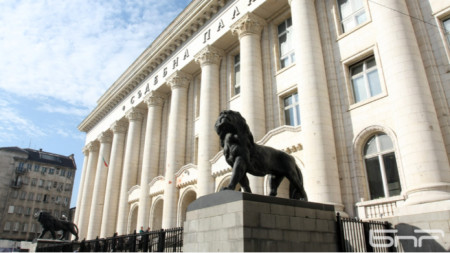
Bulgarian Judges Association raises concern over new antivirus software

Judges have opposed the introduction of a new antivirus agent on their computers. The magistrates fear that it could violate personal data protection rules and compromise the independence of the judiciary. In an official letter, the Bulgarian..
published on 11/26/25 12:21 PM

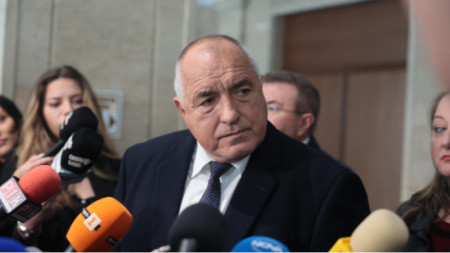
Boyko Borisov: Bulgaria will join the eurozone on January 1 despite protests

GERB leader Boyko Borisov said in Parliament that Bulgaria will become a member of the eurozone on January 1, regardless of protests organized by representatives of We Continue the Change Democratic Bulgaria (PP-DB). He was commenting on opposition..
published on 11/26/25 11:06 AM

Bulgaria at risk of non compliance with the EU's fiscal framework in 2026

Six countries, including Bulgaria, are at risk of non compliance with the EU fiscal framework in 2026. This is highlighted in the 2026 European Semester Autumn Package, adopted by the European Commission. Another 12 countries are urged to continue..

published on 11/26/25 10:06 AM