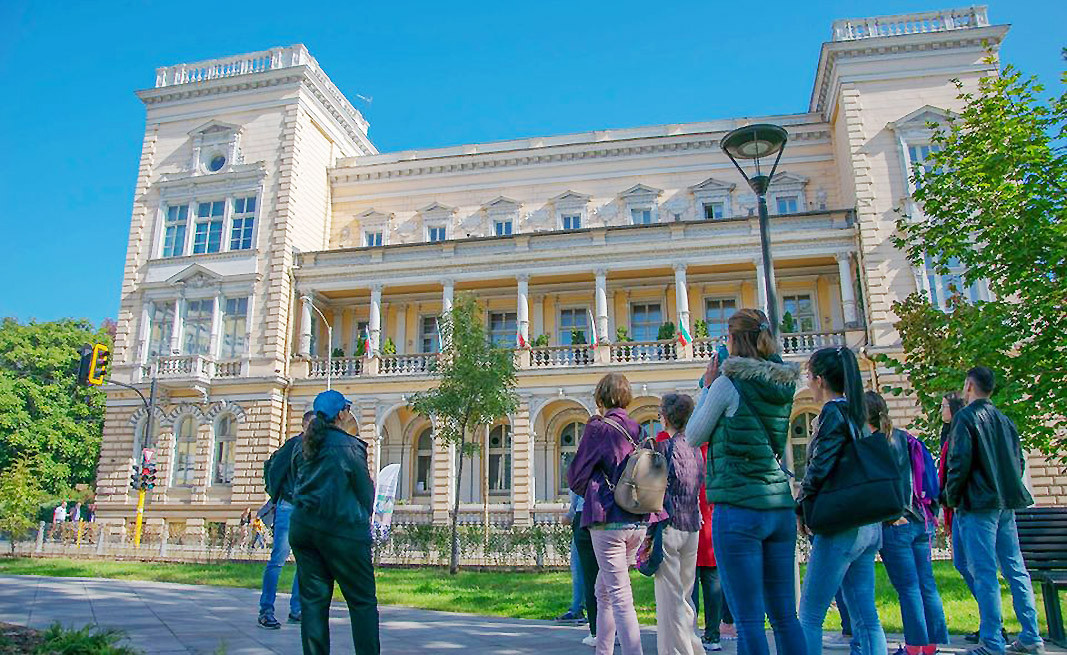
Bulgaria’s capital Sofia has been a center for different cultures, nations and ethnicities since ancient times, which is mainly due to its strategic geographic location- a crossroad between Western Europe and the Middle East. The city’s complete transformation began after the Liberation of Bulgaria from the Ottoman rule in 1878 when it was declared capital of the Principality of Bulgaria. This decision was taken by the Constituent National Assembly at the suggestion of Bulgaria’s public figure Professor Marin Drinov. His idea was immediately supported by the rest of the Parliament’s members, because at that time everyone wanted to see Bulgaria expand to the West and its capital (i.e. Sofia) to be in the central part of the country.
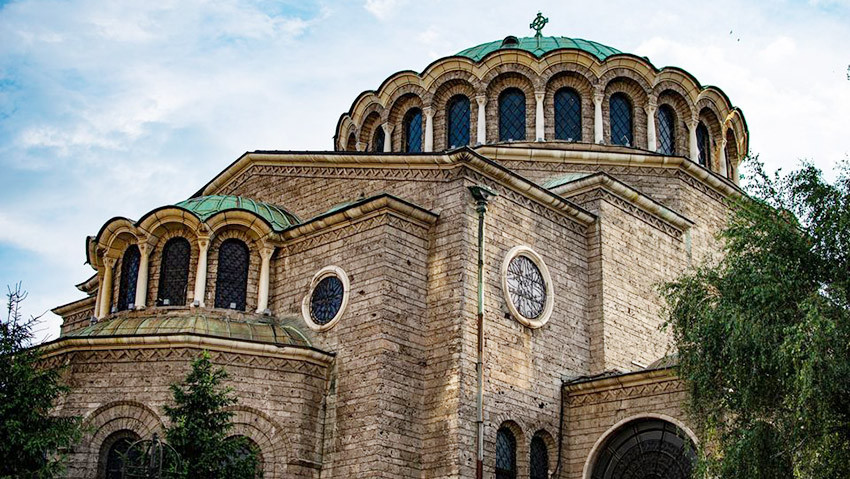
On the eve of the Day of Sofia marked on September 17, young Bulgarians remind this and many other interesting stories from the past of the Bulgarian capital. The route of their historical walk crosses many emblematic buildings downtown Sofia.

Those who decide to become tourists in their home town learn details about the current functions of these emblematic buildings, as well as about the lives of their predecessors. The organizer of the historical walk Petar Budinov told Radio Bulgaria details about one of the emblematic places in Sofia:
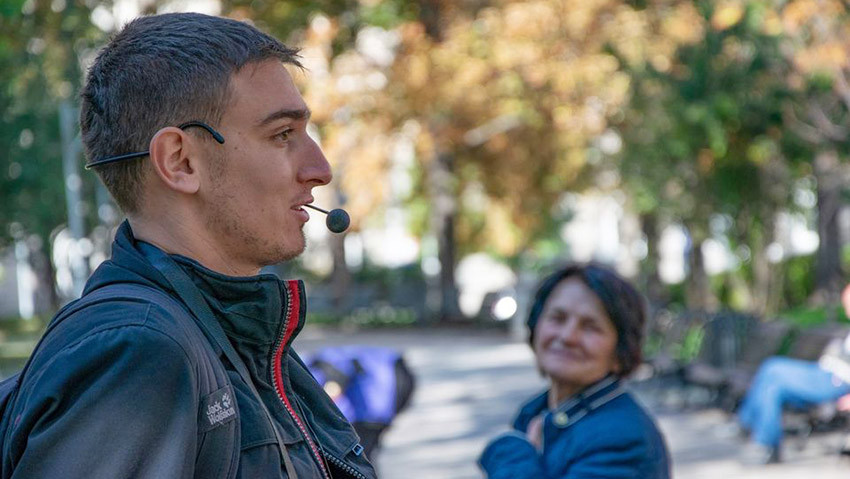
“”Before the construction of the Sofia University, there was another important and emblematic place in this area- the so-called Eagle’s Inn (Orlov han). This was one of the first buildings anyone entering the city through the emblematic Eagles’ Bridge would see. Most people coming from the East used to visit this place.

Today, this place is quite different from what it was in the past when there was a huge swamp only several meters away from the inn and every passer-by tried to go round it. The National Library was built few meters away from the old swamp on top of an old cemetery.”
The two-hour historical walk also pays special attention to the European architects who contributed to the urban development of the town and turned the small oriental village, whose population in 1878 amounted to just over 11,000 residents, into flourishing and vibrant capital city. Czech architect Antonín Kolář (the first chief architect of Sofia), as well as prominent Austrian architects Friedrich Grünanger, Hermann Helmer and Ferdinand Fellner were among them. Some of the buildings designed by these renowned foreign architects still adorn the central part of Sofia and other big Bulgarian cities. Over the years, the buildings became silent witnesses of a series of fateful decisions for the country.
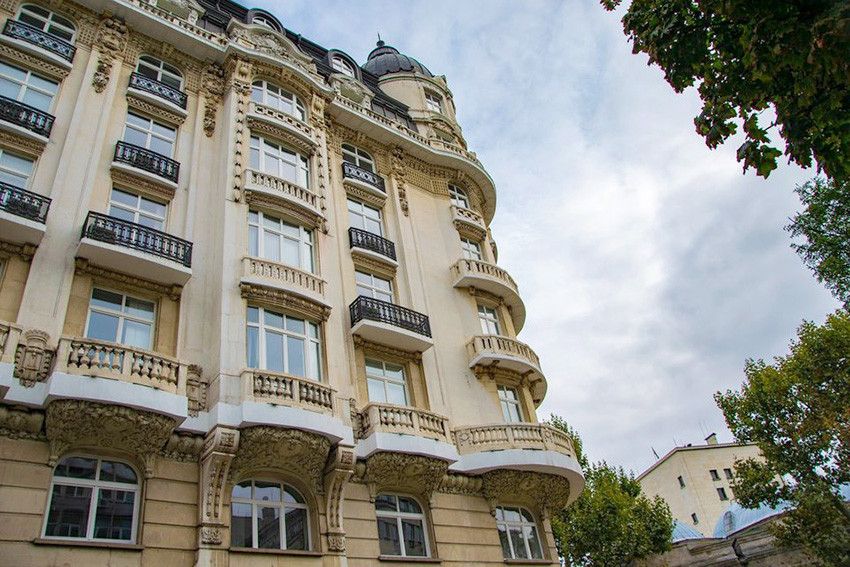
“The emblematic Royal Palace downtown Sofia looked completely different before and after the liberation of Bulgaria. The building which withstood all vicissitudes of time shows the progress the capital city has made in its development.
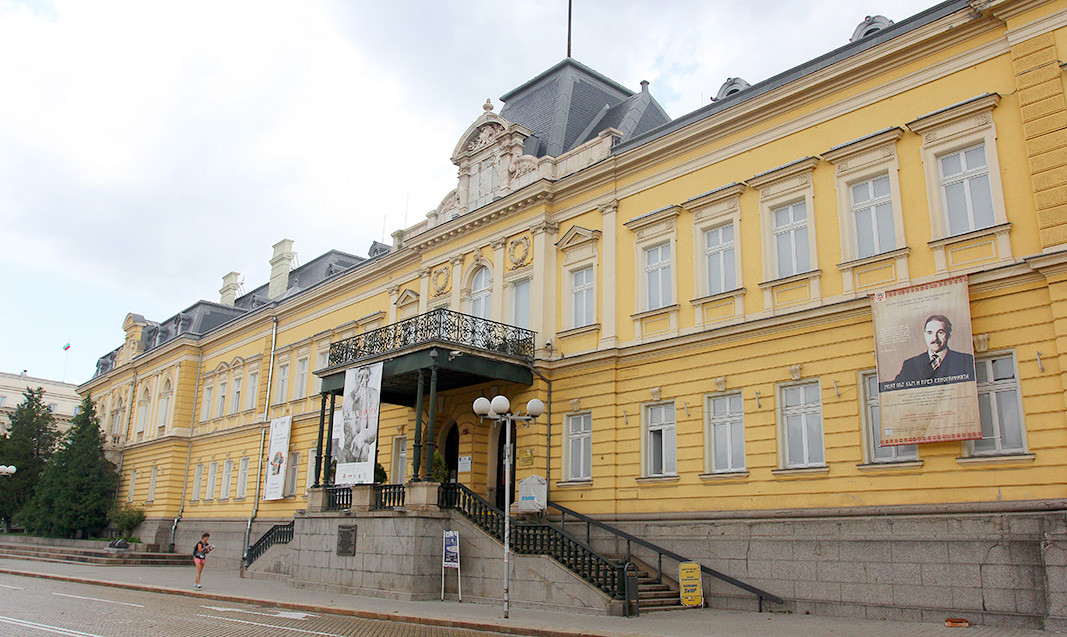
The Royal Palace initially served as Turkish konak where Bulgaria’s Apostle of Freedom Vasil Levski was sentenced to death. Later, it served as a residence of the royalties of the Third Bulgarian Kingdom. It is now home to the National Art Gallery and the Ethnographic Museum.”
English version: Kostadin Atanasov
Photos: Facebook/@postapkite and BGNES
The Bulgarian minority in Romania marked a significant event with the official opening of the Bulgarian Inn in the village of Izvoarele (Hanul Bilgarilor), Teleorman County (Southern Romania)- a locality with Bulgarian roots dating back over 200 years...

The 14th edition of DiVino.Taste, Bulgaria’s leading forum for wines and winemakers, will take place from 28 to 30 November at the Inter Expo Centre in Sofia. Over 80 producers from all wine regions will participate, offering tastings of around 600 of the..
Minutes before the second and final reading, at the parliamentary budget and finance committee, of the state budget for 2026, the leader of the biggest party represented in parliament GERB Boyko Borissov halted the procedure and sent the draft bill..




 Cloudy
 Mostly Cloudy
 Overcast, rain
 Rain / Snow
 Partly cloudy, chance of rain
 Cloudy
 Rain
Rain