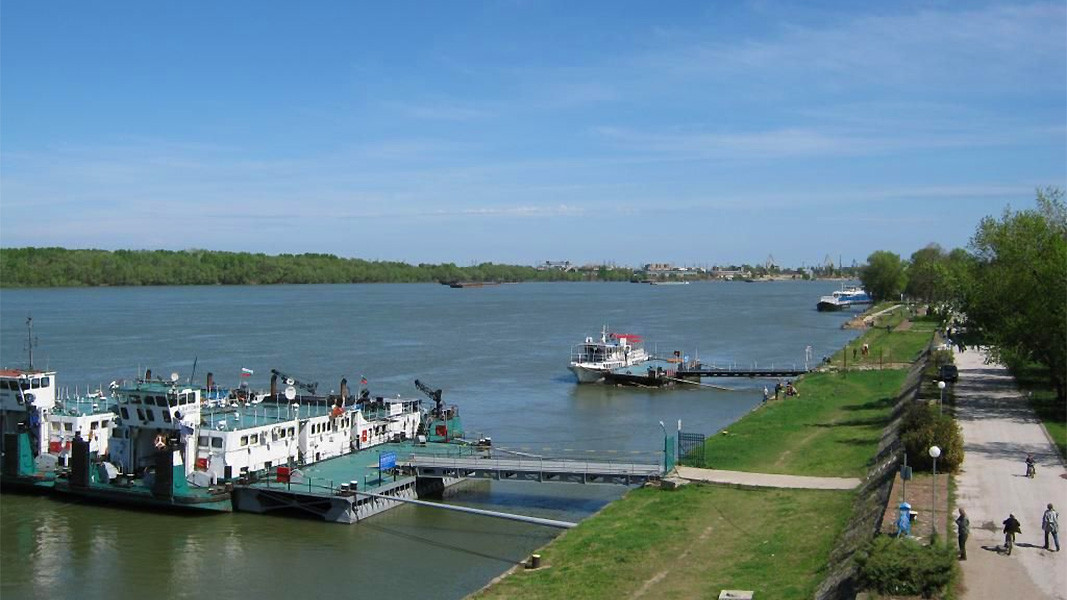
On June 6, 2016, the listeners of the Bulgarian National Radio heard the bulletin on the level of the Danube in centimeters. The bulletin was needed for the unimpeded passage of ships through the Bulgarian section of the river. From that day on, information about the waterway has been obtained through other technologies.
The hydrological bulletin started to be broadcast back in 1949 as an obligation of this country under the Danube Convention and had been aired for 67 years every weekday after the news at 15.30. First, the ten Danube countries sent information about the river level through telegrams, then telex, then computers, and so on until the time of digital navigation systems.

"Our main task was measuring the river flow, because there is no human activity that can be done without water,” Ivaylo Boychev, hydrologist with 40 years of experience, says. “I am the only one of all my fellow hydrologists who has seen the highest water levels, as well as the double freezing of the Danube and the huge ice at Tutrakan. There were several meters of accumulated ice and bombs had to be dropped from planes."
The bulletin was extremely important for people on the river, says Nikolay Genchev an expert on the Danube and author of guides for its entire course.
"For some, this radio bulletin may have sounded monotonous or boring," he adds. "However, we, the people involved in shipping, expected it every day and it was very interesting and important for our work, because behind the phrases about the level of the river in centimeters there was the diverse and dynamic world of Danube shipping."
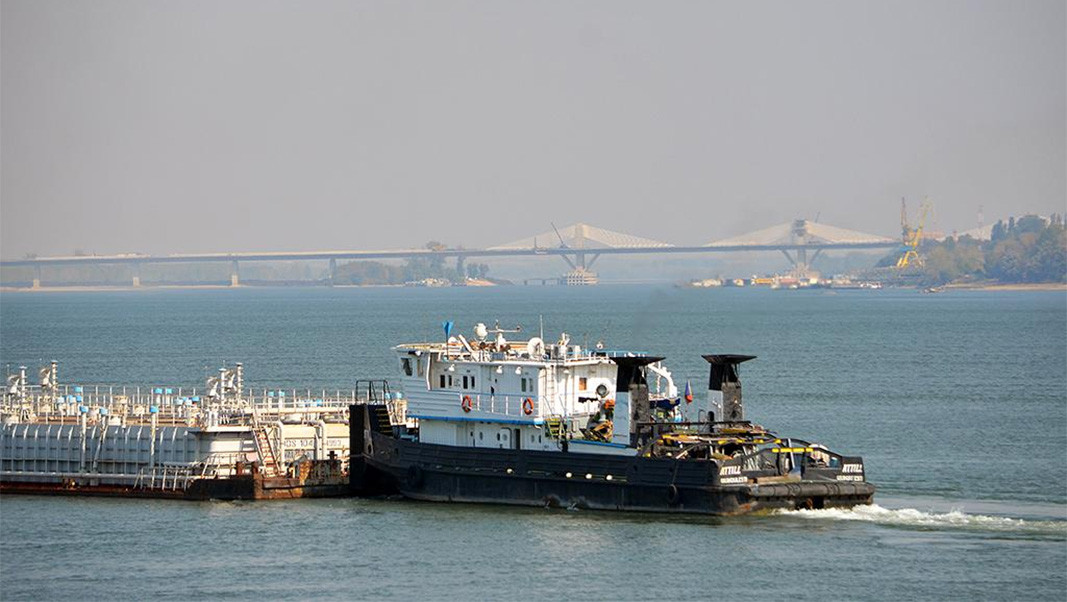
After its entry into the European Union, Bulgaria received assistance to modernize shipping and ensure its security in every respect. The former bulletin was included not only in the website of the Danube River Maintenance and Research Department, but also the modern BULRIS information system. In other words, the bulletin exists but this time it is in captains' computers.

"I'm sad because it was a tradition, thanks to which we heard our name every day," says Capain Pavlin Tsonev, director of the Executive Agency for Exploration and Maintenance of the Danube River that has existed for 60 years. "Today, thanks to our site, we can offer other forms of information - not only numbers showing the level of the river, but also what the individual sections look like and what the current conditions are."
Prof. Nikolay Nenov, director of the Rousse Regional Historical Museum also speaks with nostalgia about the radio bulletin on the river level.
"Having a 60-year tradition for most Western countries is nothing. We have it. Yes, it can be expensive. Here, however, we rely on prestige, on the signs that we transmit to ourselves and to others. At 15.00 the Bulgarian National Radio no longer mentions the Danube River and for many the river remains completely unknown - they just don't need it, and some may be even disgusted by its murky waters. But the Danube is special because it connects us to the heart of Europe.”
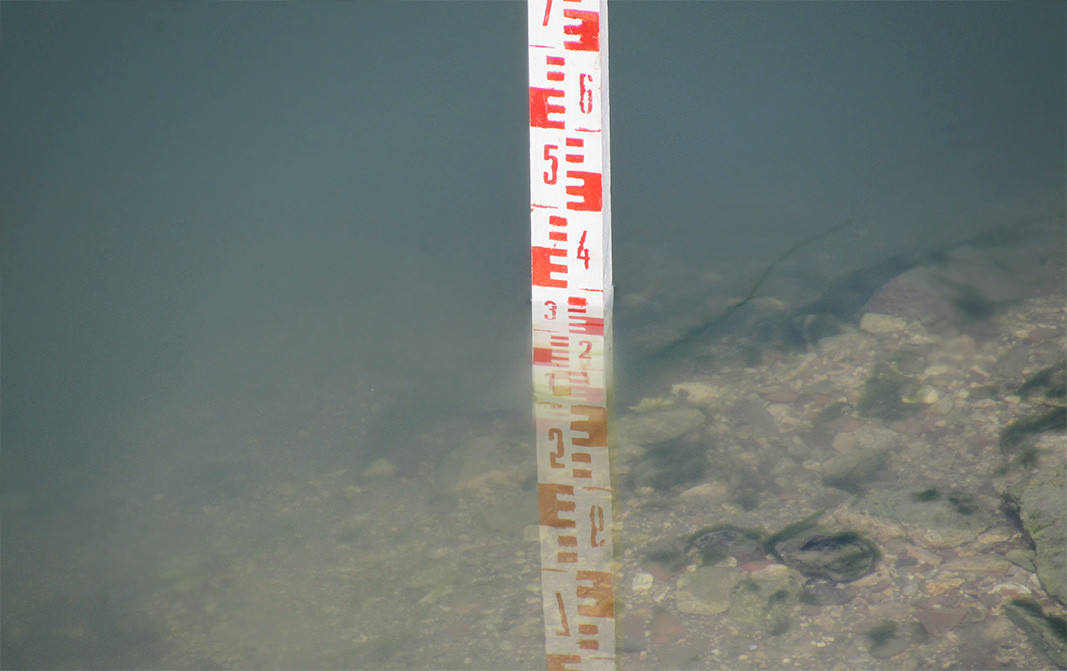
For many, the daily listing of the Danube cities in three languages was annoying and unnecessary information. Others still believe that the tradition established over the decades should not have stopped. Some time ago, fans of the bulletin even organized a petition to restore it, but as long as technology rules it will remain in history forever.
Editor: Diana Tsankova /based on interviews by Asya Pencheva, BNR correspondent in Ruse/
English: Alexander Markov
Photos: Radio Vidin, BGNES, rusemedia.com and archive

The Bulgarian minority in Romania marked a significant event with the official opening of the Bulgarian Inn in the village of Izvoarele (Hanul Bilgarilor), Teleorman County (Southern Romania)- a locality with Bulgarian roots dating back over 200 years...

The 14th edition of DiVino.Taste, Bulgaria’s leading forum for wines and winemakers, will take place from 28 to 30 November at the Inter Expo Centre in Sofia. Over 80 producers from all wine regions will participate, offering tastings of around 600 of the..
Minutes before the second and final reading, at the parliamentary budget and finance committee, of the state budget for 2026, the leader of the biggest party represented in parliament GERB Boyko Borissov halted the procedure and sent the draft bill..







 Mostly Cloudy
 Partly Cloudy
 Cloudy
 Fog
Fog