The number of Bulgarians who devote themselves to beekeeping has decreased recently, because apiculture in this country is in a deep crisis. On February 10, when we honor the memory of Great Martyr Charalambos the Wonder Worker who is regarded the patron saint of bees and apiarists, we are trying to get to the root of the problem. On one hand, the uncontrolled use of pesticides leads to depletion of the honeybee population. On the other hand, the people employed in this sector need serious financial assistance and a state policy that treats beekeeping as a priority.
Last year, beekeepers in Bulgaria once again faced these problems, which continue to deepen:

“2020 was a very bad year for apiculture, which was due to at least two reasons- notes beekeeper Yavor Kirilov who inherited this business from his grandfather. - On one hand, this was due to the meteorological conditions. The spring was quite dry and the summer was cooler than normal. These two factors affected honey harvesting a lot. Secondly, the price of Bulgarian honey dwindled due to the import of duty-free honey from China and Ukraine. Moreover, this product sell on the local market as Bulgarian honey, which is ridiculous. Thirdly, the wholesale price of honey ranges from EUR 1.75 to EUR 2 per kilogram and the retail price of the product in Bulgaria fluctuates between EUR 4 and 7.50 per kilo.”
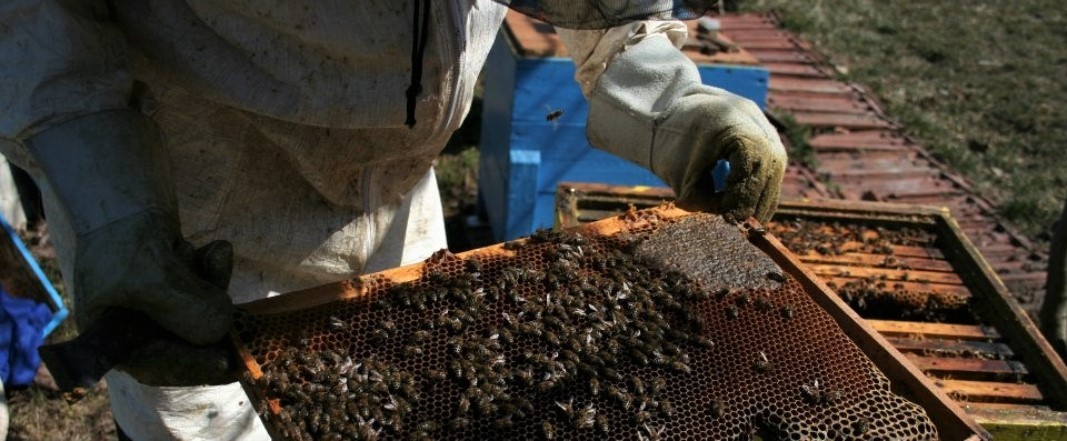
In Yavor’s view, the imports of honey from non-EU countries such as Ukraine and China can be restricted and these products should not benefit from the preferences of the EU market.
There is certain exception for Ukraine, because the European Union pursues a policy of supporting the Ukrainian economy. Beekeepers in Bulgaria are facing another significant problem related to the forthcoming amendments to the ordinance concerning the direct supply of small quantities of raw materials or food of animal origin.
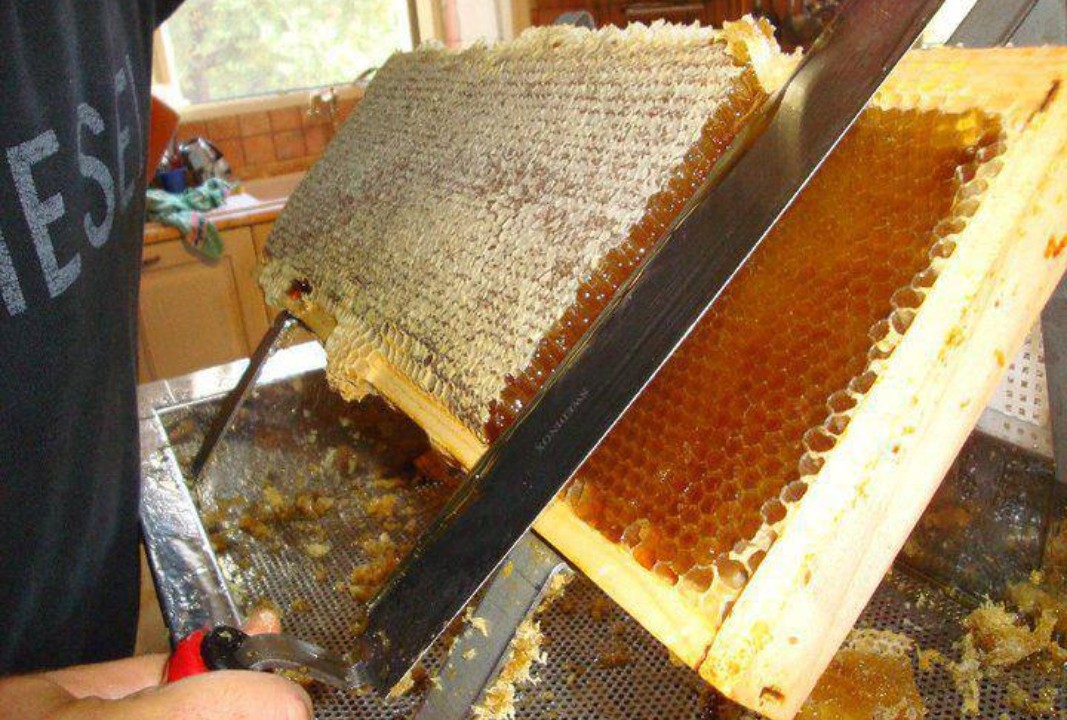
“According to the amendments, beekeepers will able to sell their honey only in the area in which their apiary is registered. In other words, if you want to buy some Strandzha manna honey, you will no longer be able to get a delivery and have to travel all the way to this Bulgarian region to buy it. According to the same ordinance, each apiarist is allowed to sell up to 2 tons of honey per year only.”
The-high quality Bulgarian honey sells extremely well on the European market. Its unique taste and quality is due to the wide variety of herbs that grow in Bulgaria. Beekeeping has existed in Bulgaria for centuries. However, the attempts to change the existing conditions for production and marketing of honey and apiculture products have impeded the development of this subsector. That is why beekeeping is rather becoming a hobby, which allows apiarists to earn some extra money.
English version: Kostadin Atanasov
Photos: Facebook / Yavor Kirilov
The Bulgarian minority in Romania marked a significant event with the official opening of the Bulgarian Inn in the village of Izvoarele (Hanul Bilgarilor), Teleorman County (Southern Romania)- a locality with Bulgarian roots dating back over 200 years...

The 14th edition of DiVino.Taste, Bulgaria’s leading forum for wines and winemakers, will take place from 28 to 30 November at the Inter Expo Centre in Sofia. Over 80 producers from all wine regions will participate, offering tastings of around 600 of the..

Minutes before the second and final reading, at the parliamentary budget and finance committee, of the state budget for 2026, the leader of the biggest party represented in parliament GERB Boyko Borissov halted the procedure and sent the draft bill..







 Cloudy
 Cloudy
 Mostly Cloudy