
An emergency epidemic situation has been in place in Bulgaria for nearly one year. It affects not only the way we communicate, but also our working habits. More than 50% of Bulgarians have been working from home since the beginning of the coronavirus pandemic. Nearly 63% of the employers have introduced flexible working conditions. Moreover, they intend to keep them after the end of the pandemic.
“In the short term, remote working is an excellent decision. It helps the employer save money and has a series of positive effects”, said Georgi Parvanov, who has worked in the HR field for 27 years. However, we must pay attention to the disadvantages in the medium and the long turn before we vacate our offices, notes Georgi Parvanov. “There is no way you can form a strong and united team from a distance, because communication among the team members is insufficient”, added Georgi Parvanov.
The blurring of boundaries between work and private life is one of the biggest dangers. In today’s digital world, we must learn how to distinguish our spare time from our job duties, without neglecting our working time, said Maria Mincheva from the Bulgarian Industrial Association in an interview for BNR.
Compiled by: Vesela Krasteva
English version: Kostadin Atanasov
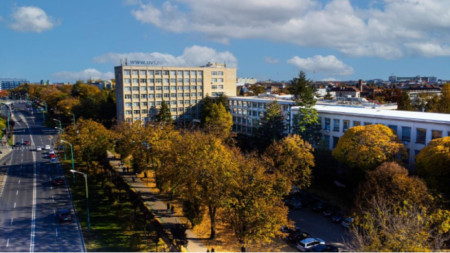
Timișoara, a large multicultural city in western Romania, is the center of the historical community of the Banat Bulgarians . The members of this community are descendants of settlers from the Bulgarian lands nearly three centuries ago, who have..

In Gabrovo – a city in the geographical center of Bulgaria, once described as the Bulgarian Manchester, but today facing demographic challenges – there are young people who believe that the future can be better and that this largely..

For 15 years, Stela Nedkova has been living in Brussels . After completing her education in Bulgaria, she decided to test herself in a different reality to see whether she could handle life’s challenges on her own, without her parents’ help. Stela faced..






 Partly Cloudy
 Mostly Cloudy