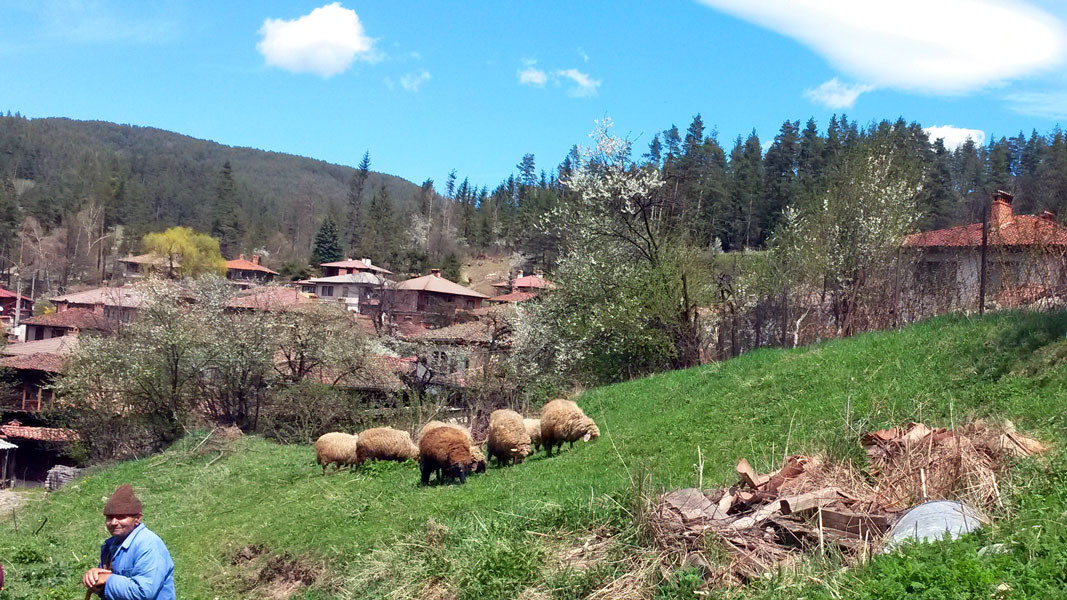
The first livestock census in Bulgaria was conducted in 1887, shortly after this country’s liberation from the Ottoman rule. In 1910, there were more than 8.6 million sheep in Bulgaria, or 2,000 sheep per 1,000 people. Back then, Bulgaria topped the European ranking in terms of the number of sheep per capita. In the 1980’s, sheep breeding in this country marked an upsurge and more than 10 million sheep were reared at that time.
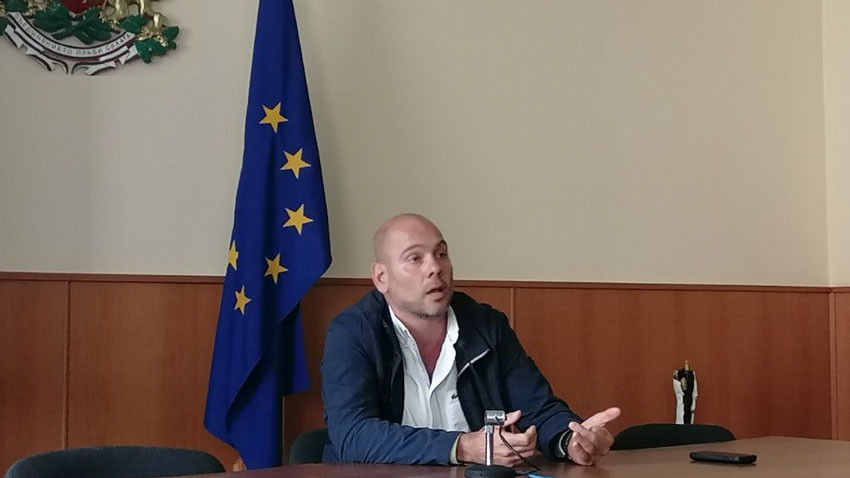
Since then, the number of these animals decreased ten times. Currently, there are just over 1 million sheep in Bulgaria. According to the Co-chairman of the National Sheep and Goat Breeding Association Simeon Karakolev, there are many problems in the sheep farming sector. In his view, the significant decrease in the number of sheep in Bulgaria is due to the lack of an adequate state policy towards sheep and goat breeding. “Bulgaria’s Ministry of Agriculture, Food and Forestry should set clear targets. The people employed at this sector must be informed how sheep and goat breeding will develop from now on and what they will be required to do”, contends Simeon Karakolev in an interview for Hristo Botev channel of the Bulgarian National Radio.
Major changes are needed to make this subsector profitable and attractive:
“More than 80% of the sheep and goat farms are in an extremely poor condition with regard to agricultural technology”, explained Simeon Karakolev. “Sheep and goat breeding remains quite unattractive, despite the billions invested in Bulgaria’s agriculture and the fact that this country has already gone through two programming periods and one pre-accession period. Those who are now breeding sheep and goats do it, because they love these animals.”
The scheme under which farmers receive subsidies is a significant impediment for anyone who decides to breed sheep and goats:
“Talking about subsidies, we all know that they are never enough. Payments granted to farmers in the form of a per-hectare basis support need to stop”, said the Co-chairman of the National Sheep and Goat Breeding Association and explained: “It leads to consolidation in production which is detrimental to the small and medium-sized farms. We need to shift to another type of financial support based on the number of farms.”
There are other problems in this sector as well. Applying for EU funds is a difficult and complicated process and farmers often refrain from submitting applications for EU funding. In Simeon Karakolev’s words, the state authorities must try to promote employment in the animal breeding industry. In this regard, the legalization of more than 7,000 farms, which were not registered in the past as livestock farms due to bureaucratic impediments, is regarded as a small victory in this sector.
Compiled by: Yoan Kolev/ based on interview of Nina Tsaneva from Hristo Botev channel of the BNR
English version: Kostadin Atanasov
Photos: BGNES and noka.bg
The Bulgarian Stock Exchange (BSE) will participate in the event "EU-Chambers Business Chill with the Bulgarian Stock Exchange," according to a post by the BSE on Facebook. The event is being organised by the Hungarian-Bulgarian Chamber of..
Under the name BGBizHub, Bulgarian entrepreneurs in Berlin have joined forces to promote and develop their businesses in Germany. "Like any other business, not only in Berlin or in Bulgaria, we currently face several problems -..

Bulgarians are consuming less bread, cheese and vegetables, but more fruit, according to the latest data from the National Statistical Institute on household consumption in the third quarter of 2025, compared to the same period last year...








 Partly Cloudy
 Mostly Cloudy