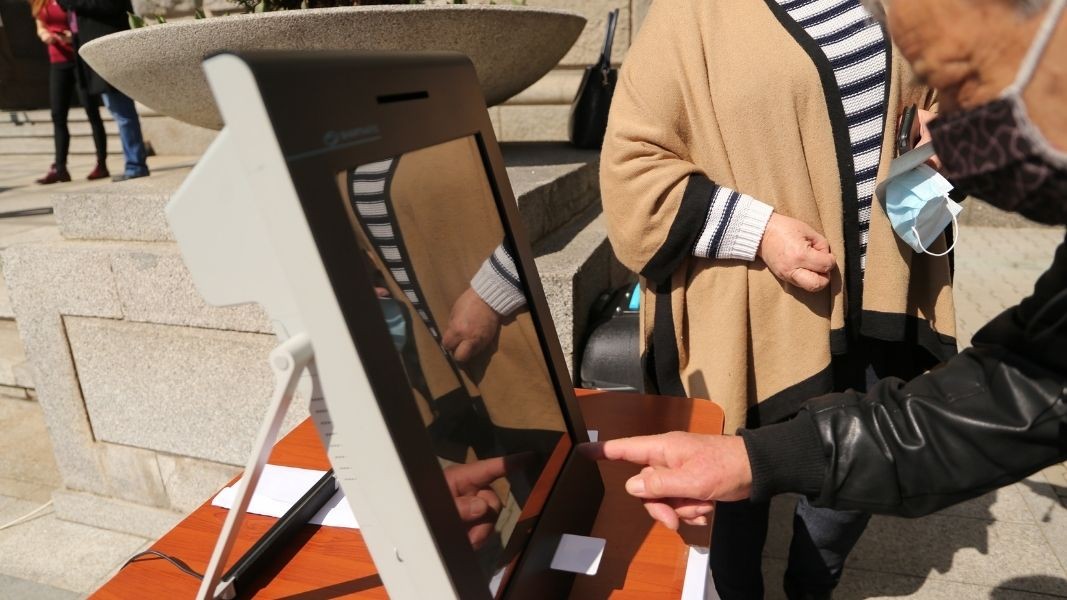
97 people cast their vote in the space of two hours during the machine voting experiment conducted by the Central Election Commission (CEC) in the village of Dobroslavtsi, BNR’s correspondent Tsvetelina Stoyanova reports.
The fastest to vote were the people aged 30 to 39, an average of 49 seconds. The youngest and people aged 60 needed one minute. The experiment showed that women vote faster than men, people with universities degrees vote faster than people with lower than university education, Tsvetozar Tomov, deputy chair of the CEC said.
The data from the three experiments conducted have to be aggregated and a decision will then be made as to how many more voting machines should be provided. During the first experiment conducted in Sofia 75 people cast their vote within the space of one hour.
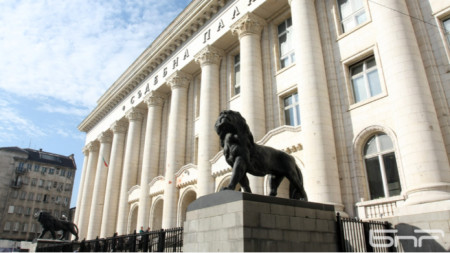
Judges have opposed the introduction of a new antivirus agent on their computers. The magistrates fear that it could violate personal data protection rules and compromise the independence of the judiciary. In an official letter, the Bulgarian..
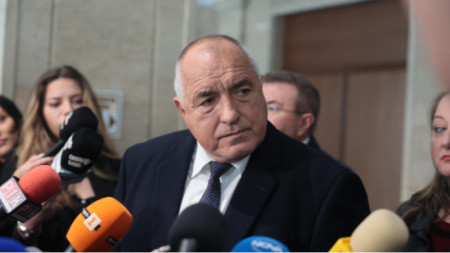
GERB leader Boyko Borisov said in Parliament that Bulgaria will become a member of the eurozone on January 1, regardless of protests organized by representatives of We Continue the Change Democratic Bulgaria (PP-DB). He was commenting on opposition..

Six countries, including Bulgaria, are at risk of non compliance with the EU fiscal framework in 2026. This is highlighted in the 2026 European Semester Autumn Package, adopted by the European Commission. Another 12 countries are urged to continue..







 Mostly Cloudy
 Partly Cloudy
 Cloudy
 Fog
Fog