The recent major floods in Germany are an example of the effects of global climate change. The main method of tackling the problem is to switch to zero-emission fuels that do not emit carbon dioxide and are environmentally friendly.
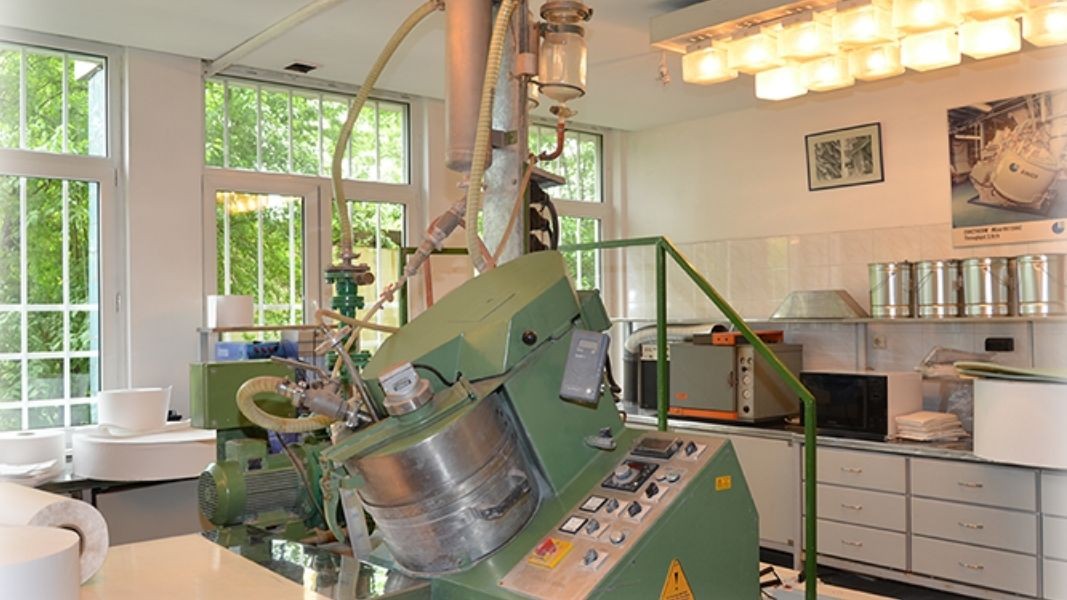
Hydrogen is one of these energy carriers and it is also among the most promising alternatives for energy storage. That is why scientists from the Institute of Electrochemistry and Energy Systems at the Bulgarian Academy of Sciences (BAS) have been developing new methods for hydrogen production aimed at preventing progressive climate change. Project leader is young Dr. Elitsa Petkucheva, who is a finalist in the program "The Most Prominent Young People in Bulgaria 2020". According to her, such an innovation could lead to a significant reduction in the overall production of energy from fossil fuels. The specific goal is to optimize the composition and structure of catalysts used for hydrogen production by increasing the energy efficiency and lowering the cost of electrodes. "We believe in the success of the project and the large-scale contribution it could make,” the young scientist says.
Author Vesela Krasteva

Timișoara, a large multicultural city in western Romania, is the center of the historical community of the Banat Bulgarians . The members of this community are descendants of settlers from the Bulgarian lands nearly three centuries ago, who have..

In Gabrovo – a city in the geographical center of Bulgaria, once described as the Bulgarian Manchester, but today facing demographic challenges – there are young people who believe that the future can be better and that this largely..

For 15 years, Stela Nedkova has been living in Brussels . After completing her education in Bulgaria, she decided to test herself in a different reality to see whether she could handle life’s challenges on her own, without her parents’ help. Stela faced..








 Mostly Cloudy
 Partly Cloudy
 Cloudy