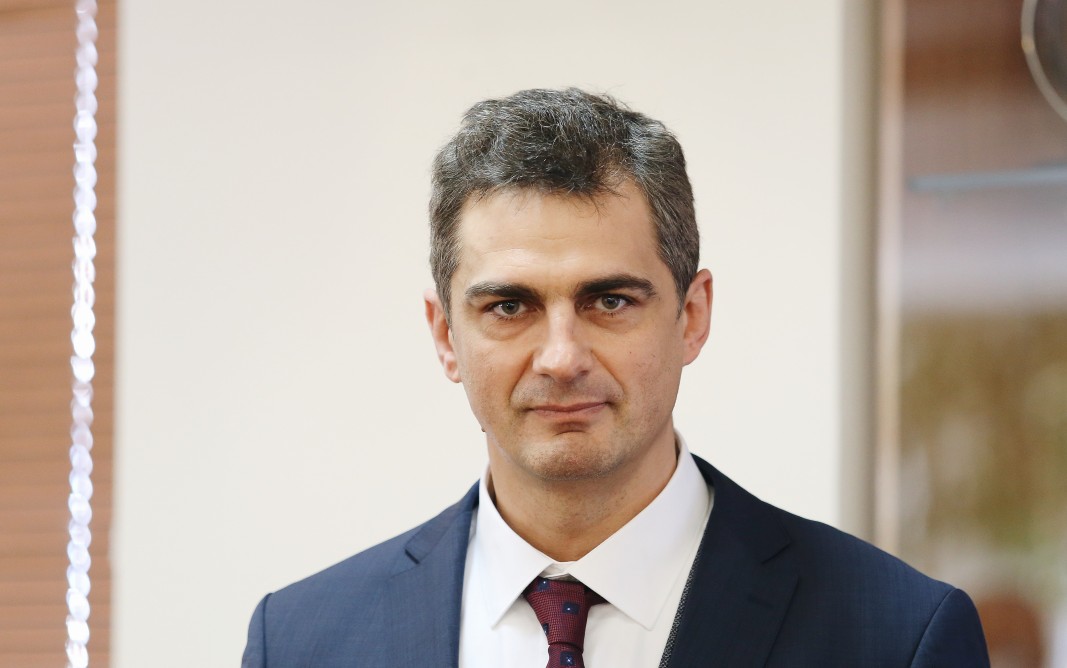
"Bulgaria has a broader set of tools to address the energy crisis which has affected Europe. There are many thermal power plants in Bulgaria using local coal. The cost of electricity produced in coal-fired power stations is lower than the cost of electricity produced in gas-fired power plants", the newly-appointed Chairman of the Energy and Water Regulatory Commission (EWRC) Stanislav Todorov said for the BNR.
"Bulgaria does not have a strong incentive to raise electricity prices after the end of the moratorium on the prices of electricity for households, because there is no power shortage in the country", Stanislav Todorov pointed out. He added that the current energy crisis was caused by geopolitical factors. Trading the whole electricity on the day-ahead market in times of crises and uncertainty is wrong and this needs to be changed, the Chairman of the Energy and Water Regulatory Commission further said.
Bulgaria’s accession to the eurozone will reduce transaction costs with key trade and investment partners, according to the annual U.S. State Department report on the investment climate in the country, reported BGNES. The report emphasizes that..

Less than 100 days remain until Bulgaria joins the eurozone, and this is another reason to talk about the incomes of people in Bulgaria, about the Bulgarian economy, about foreign investments and about the domestic labour market which reacts the..

At the end of September, with a little over three months to go until the Rubicon in Bulgarian public finance - 1 January, 2026, when the country will officially leave the currency board and adopt the single European currency, the euro – issues..







 Mostly Cloudy
 Partly Cloudy
 Cloudy
 Fog
Fog