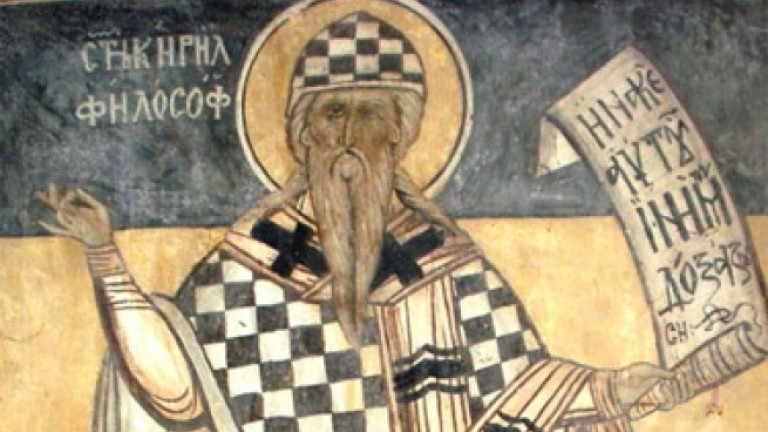
Constantine the Philosopher, who took the name of Cyril in monkhood, came from noble parents in Thessaloniki. The talented child was sent to the renowned Magnaura School in Constantinople. Because of his accomplishments he came to be known as Philosopher and was appointed tutor at the School and librarian, and undertook many diplomatic missions for the Byzantine Empore.
Together with his brother Methodius, he created the Glagolitic alphabet, translated the Gospel and a number of religious books into Old Slavonic. He was sent on a mission of enlightenment to Moravia, and then to Rome where Pope Adrian II sanctified the translations.
Saint Cyril died in Rome on 14 February, 869 and was buried in the St. Clement basilica.
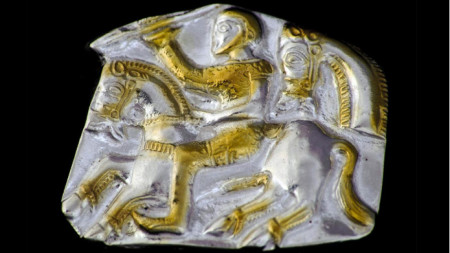
In the world of the Thracians, who had no written language, the most important messages were conveyed through art. The Letnitsa Treasure is precisely such a message — about power, beliefs, and the path to wisdom . This unique discovery, dated between..
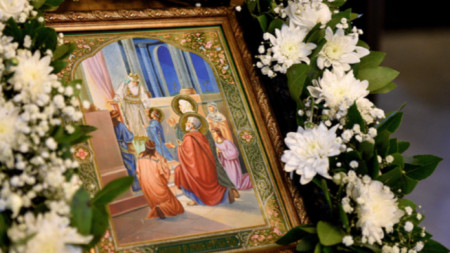
On November 21, the day of the Presentation of Virgin Mary (or the Entry of the most Holy Theotokos into the Temple), the Orthodox Bulgarians also celebrate the Day of the Christian Family and the Learning Youth. The holiday was established by the..
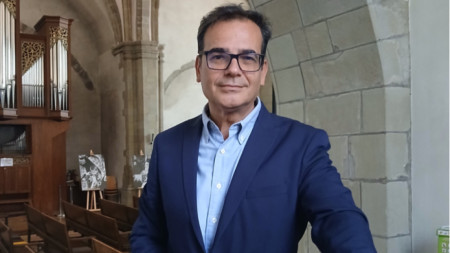
During a visit by the Radio Bulgaria team to the Bulgarian Orthodox Parish "Nativity of the Mother of God" in Geneva, we had the pleasure of meeting Ventseslav Sabev, the son of long-time church history professor at the Sofia Theological Seminary,..






 Mostly Cloudy
 Cloudy
 Partly Cloudy