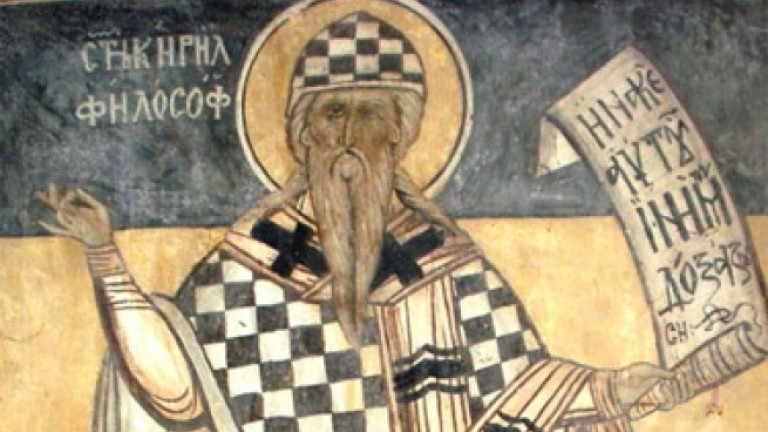
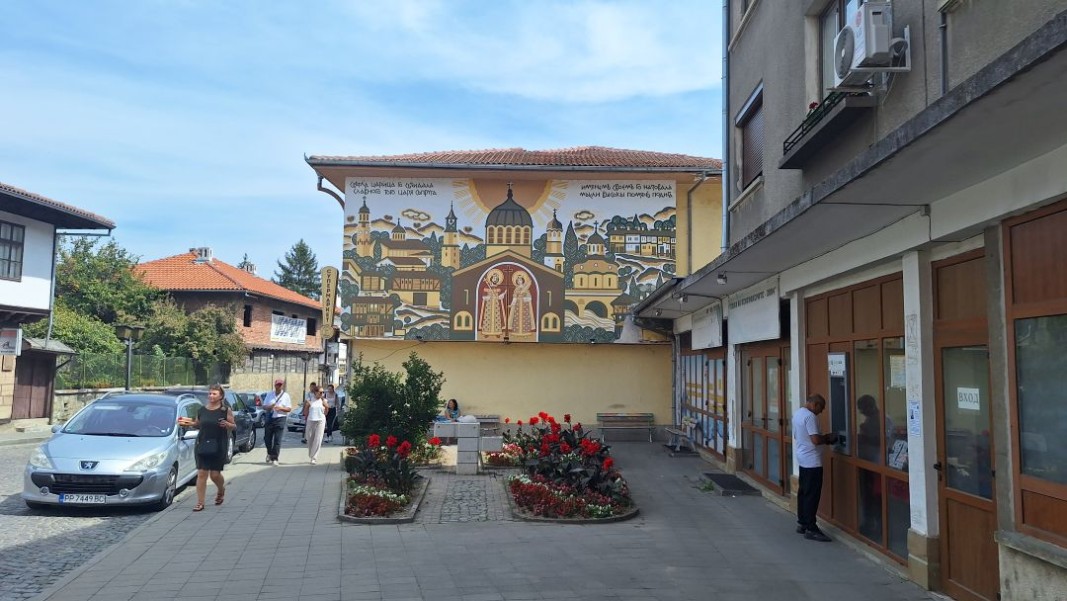
Constantine the Philosopher, who took the name of Cyril in monkhood, came from noble parents in Thessaloniki. The talented child was sent to the renowned Magnaura School in Constantinople. Because of his accomplishments he came to be known as Philosopher and was appointed tutor at the School and librarian, and undertook many diplomatic missions for the Byzantine Empore.
Together with his brother Methodius, he created the Glagolitic alphabet, translated the Gospel and a number of religious books into Old Slavonic. He was sent on a mission of enlightenment to Moravia, and then to Rome where Pope Adrian II sanctified the translations.
Saint Cyril died in Rome on 14 February, 869 and was buried in the St. Clement basilica.
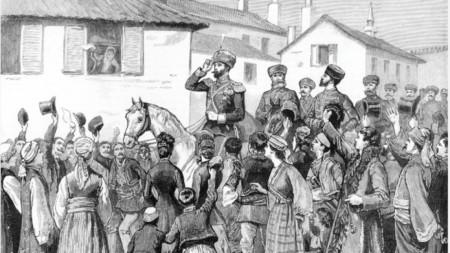
In June 1878, after the 10 th Russo-Turkish war in a row, at the Berlin congress, the lands in the Balkans inhabited by Bulgarians were divided up into five. Northern Dobrudja was handed over to Romania. Serbia got the Sanjak of Niš. The lands..
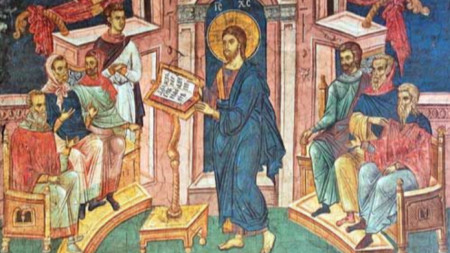
The New Church Year begins on September 1. The month of September is the seventh month of the year according to the Jewish calendar. It is associated with a number of biblical events, which is why it was designated as the beginning of the Church New..
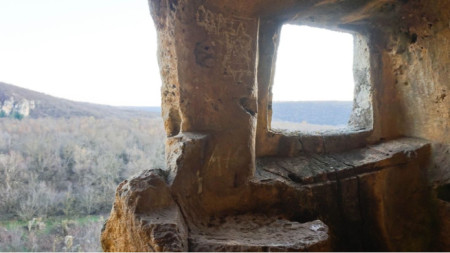
High in the canyon of the Rusenski Lom River lies one of the most impressive spiritual centers of Bulgaria. It is a complex of dozens of rock-hewn cells, chapels and churches carved on both sides of the river , which came to life in the 13th century..





 Mostly Cloudy
 Partly Cloudy
 Cloudy