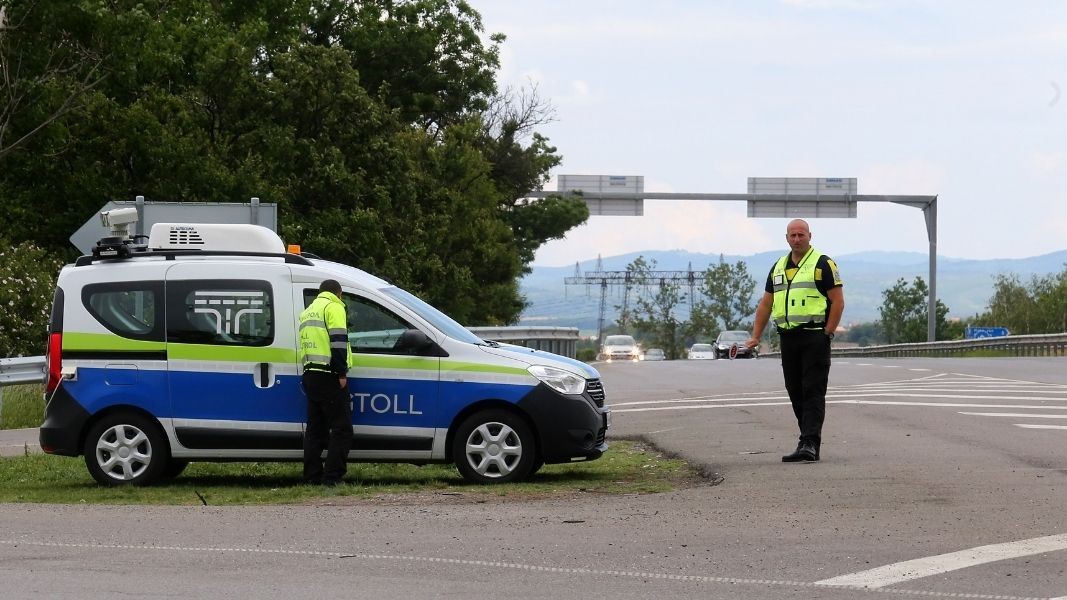
The toll system in Bulgaria was introduced in January 2019. It replaced the existing paper vignette stickers that were previously needed for using the national road network. In 2020 the toll system for vehicles over 3.5 tonnes was introduced as the aim was a fairer tax model. There are three possibilities for tracking the distance traveled - buying a special route map with a pre-selected route, with on-board devices equipped with GPS, which companies receive after concluding a contract with the toll operator, or through the GPS tracker of the vehicle. The money collected is used for maintenance of existing roads and building new ones, as well as for improving road safety. All this sounds great in theory, but whether it is applied in practice is a different question.

What is the real situation?
A number of irregularities in the work of the system and inability to sustain itself has been established by an inspection requested by the caretaker Minister of Regional Development and Public Works Violeta Komitova last year.
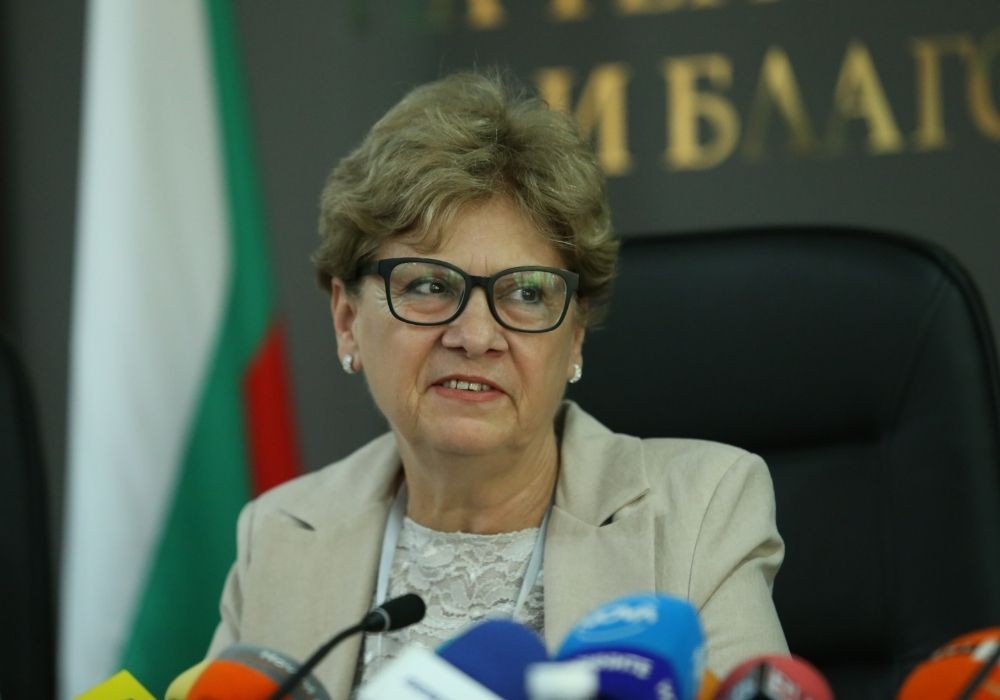
The data show that in 2020 the revenues from the toll system are over 100 million euros less, compared to the previous 2019. Two of the reasons for the poor collection, according to then-Deputy Minister Zahari Hristov, were the reduced tariffs and the roads covered by the system. Another problem identified is the nearly 200,000 camera-documented violations that have not been addressed. The inspection of the regional office also revealed that the Road Infrastructure Agency does not have a department to control the implementation of contracts for the operation of the system and its maintenance. As a result, just the software maintenance costs about 1 million euros per month.
In an interview with BNR-Blagoevgrad, road safety expert Bogdan Milchev pointed out several other striking examples of the inefficiency of the toll system. According to him, neither the increase in the price paid by drivers, nor the expansion of the system’s scope, would solve the accumulated problems.

Milchev went even further, describing the situation with the toll system as a well-functioning food chain for several linked companies that have signed the relevant contracts.
The expert has also made his own calculation of the revenues that the state received before the start of the toll system and the funds received from road taxes in 2021.
"In 2019, more than 60 million euros were collected from heavy and bus transport when the toll system was not operational yet. In 2021, revenues reached 75 million euros. However, in order for the toll system to function, we spent more than 40 million euros."
Milchev points out another fact - the company that created the system collects high percentage fee for the service it provides, amounting to 7%. On average in Europe, this percentage is about 2, and in some countries there is no such a fee, the expert says.
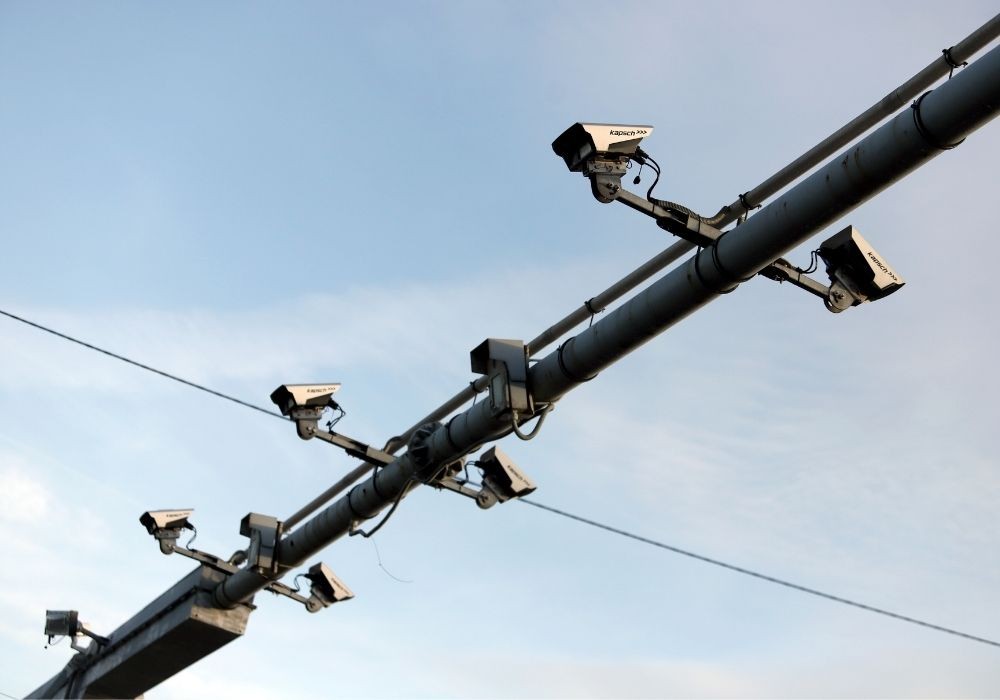
What part of the funds generated by the system is actually spent on construction and rehabilitation of roads? This major question currently remains unanswered.
Compiled by: Yoan Kolev
English: Alexander Markov
Photos: BGNES
The Bulgarian minority in Romania marked a significant event with the official opening of the Bulgarian Inn in the village of Izvoarele (Hanul Bilgarilor), Teleorman County (Southern Romania)- a locality with Bulgarian roots dating back over 200 years...

The 14th edition of DiVino.Taste, Bulgaria’s leading forum for wines and winemakers, will take place from 28 to 30 November at the Inter Expo Centre in Sofia. Over 80 producers from all wine regions will participate, offering tastings of around 600 of the..
Minutes before the second and final reading, at the parliamentary budget and finance committee, of the state budget for 2026, the leader of the biggest party represented in parliament GERB Boyko Borissov halted the procedure and sent the draft bill..







 Mostly Cloudy
 Cloudy
 Partly Cloudy