 4
4
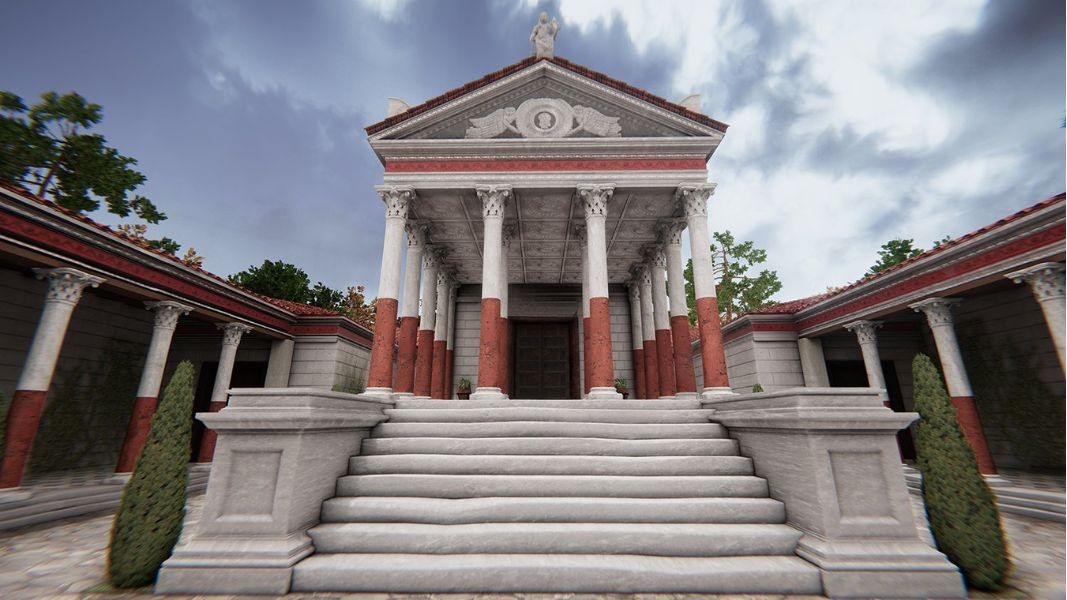
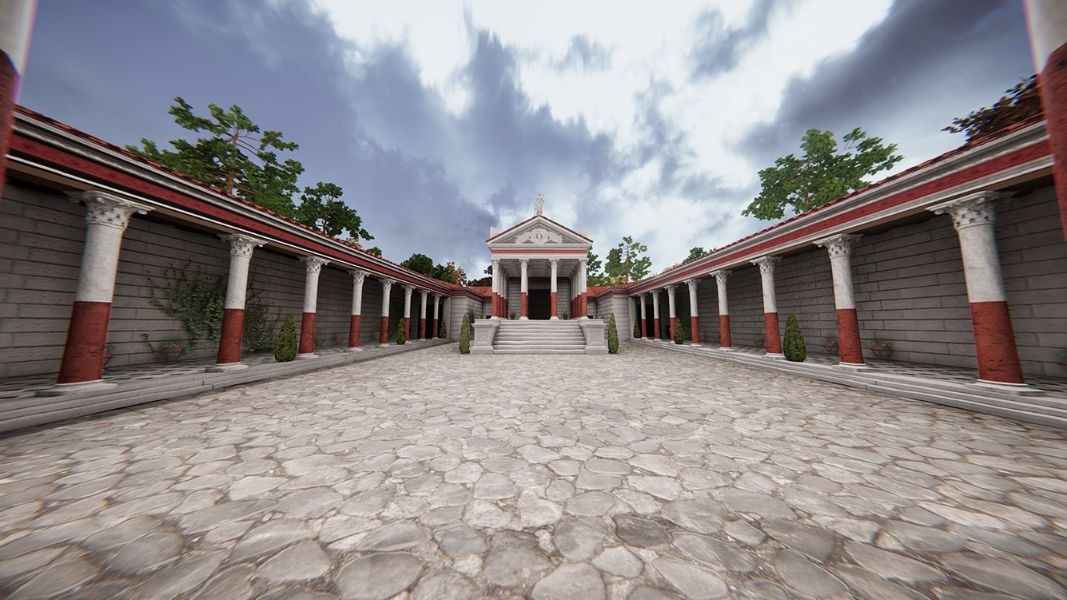
Visitors to the National History Museum in Sofia can now take a virtual walk in the temple of the ancient Roman goddess of happiness and fortune Fortuna. The building is part of the former Roman colony of Ulpia Oescus near the present-day Bulgarian village of Gigen, near the Danube River. The virtual restoration reveals in the smallest details all the splendor and beauty of the former temple and is now part of the permanent exhibition of Bulgaria’s National History Museum.
The Temple of Fortune (templum Fortunae) was located in the Forum complex of Ulpia Оеscus. It has been fully discovered and studied by archaeologists. The building was constructed in the Corinthian style. According to a Latin inscription, the temple was dedicated to the Roman emperor Commodus (180-192) and was built with the funds of the then "association of craftsmen" (collegium fabrorum) in 190.
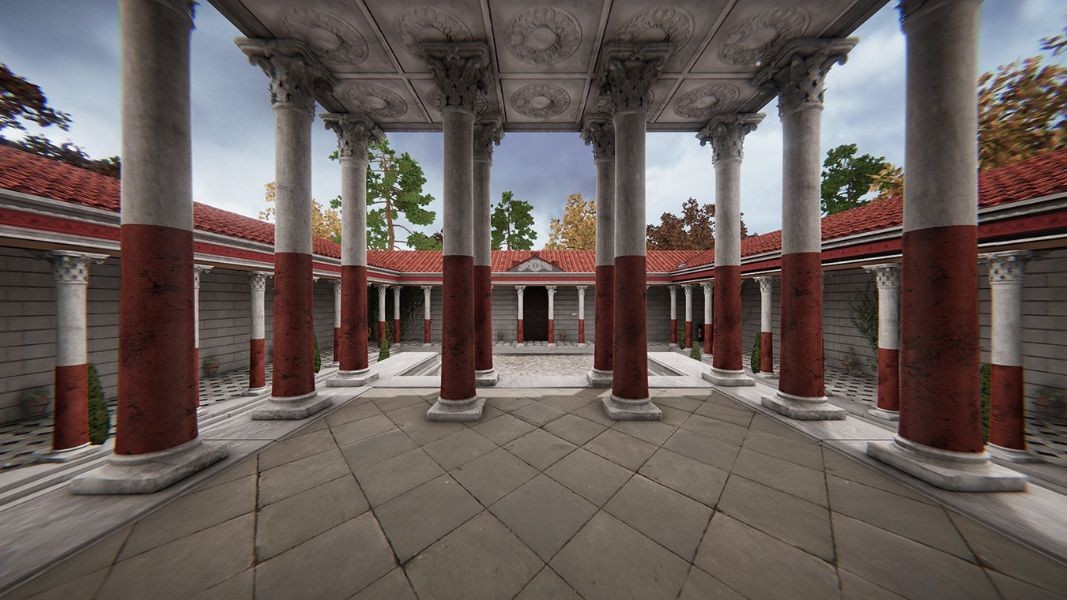
The colonnade of the courtyard was decorated with a frieze - architraves with embossed bull heads and laurel garlands. The temple consisted of an entrance hall and a cult room. Its southern façade had four Corinthian columns. On the triangular pediment there were two Victorias depicted, holding a laurel wreath. Inside, in the wreath, was a relief image - probably the head of Medusa, to protect against evil. The temple complex was destroyed by the Goths or by an earthquake in 376-378.

You can find more interesting details related to the tumultuous story of the ancient Roman city of Ulpia Oescus here:
Compiled by Veneta Nikolova
Photos: National History Museum
English version Rositsa Petkova


The newest exhibition at the National Museum of Military History in Sofia, 'War and the Creatives: A Journey Through Darkness' opens today, offering free entry as a gesture to those who were unable to visit during the recent renovations. Rather than..
A 5,000-year-long history lies hidden in the ruins of the medieval fortress “Ryahovets” near the town of Gorna Oryahovitsa where active excavations began ten years ago. On this occasion, on November 17, the Historical Museum in Gorna Oryahovitsa..
Just days ago, archaeologists uncovered part of the complex underground infrastructure that once served the Roman baths of Ratiaria - one of the most important ancient cities in Bulgaria’s northwest. Founded in the 1st century in the area of..







 Cloudy
 Mostly Cloudy
 Partly Cloudy
 Fog
Fog