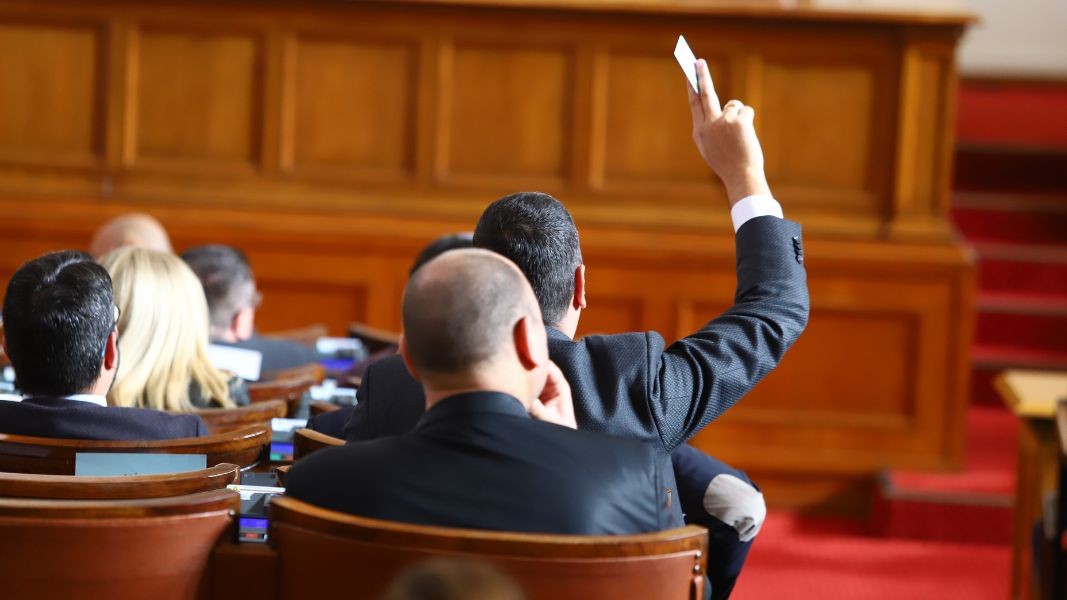
Bulgaria’s National Assembly tasked the government with speeding up the process of adopting the single European currency on January 1, 2024 and set the exchange rate at 1,95583 Leva for 1 Euro. The proposal was put forward by the largest Parliamentary group GERB/SDS. 157 MPs voted in favour, 28 MPs voted against and 23 MPs abstained.
The Parliament’s decision tasks the government and the Bulgarian National Bank with speeding up the consultations and negotiations with the European institutions and the euro area countries on Bulgaria's accession to the eurozone.
The Bulgarian Socialist Party and "Vazrazhdane" party expressed concerns that the euro might not be adopted at the current exchange rate, which was introduced by the Currency Board. However, the majority of MPs rejected these speculations during the discussions.
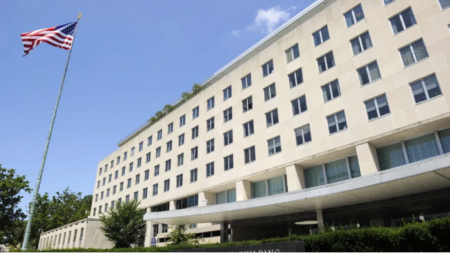
Bulgaria’s accession to the eurozone will reduce transaction costs with key trade and investment partners, according to the annual U.S. State Department report on the investment climate in the country, reported BGNES. The report emphasizes that..
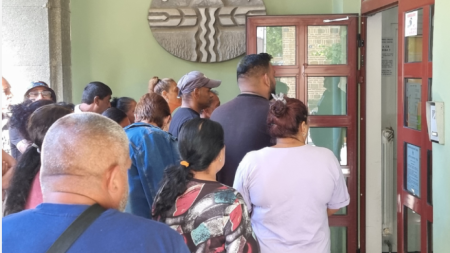
Less than 100 days remain until Bulgaria joins the eurozone, and this is another reason to talk about the incomes of people in Bulgaria, about the Bulgarian economy, about foreign investments and about the domestic labour market which reacts the..

At the end of September, with a little over three months to go until the Rubicon in Bulgarian public finance - 1 January, 2026, when the country will officially leave the currency board and adopt the single European currency, the euro – issues..







 Overcast, rain
 Mostly Cloudy
 Cloudy
 Rain / Snow
 Cloudy