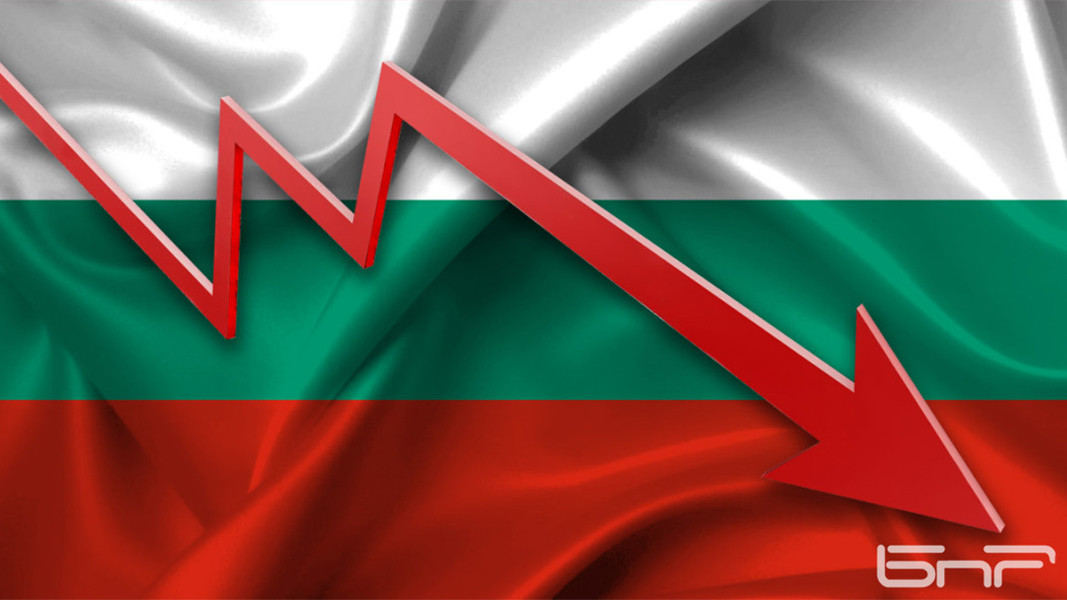
The Organisation for Economic Co-operation and Development (OECD) forecasts an acceleration in Bulgaria's economic growth from 1.8% in 2023 to 2.5% in 2024 and to 2.9% in 2025 as public investment increases along with EU funds. OECD expects inflation in Bulgaria to slow from 9.5% in 2023 to 3.0% in 2024, primarily due to falling global food and energy prices.
However, high wage growth is an obstacle to a faster reduction in inflation, the OECD notes. The ongoing political uncertainty puts the country's planned reforms and investments at risk, OECD further said. Difficulties and delays in implementing the reforms necessary to access EU funds risk reducing the amount of EU funding and additional investment, warns OECD.
In its “Questions and Answers” section on the introduction of the euro, the Bulgarian National Bank has published a clarification on how the single currency should be denoted and written in accordance with EU regulations. The name of the..

The government approved the draft Law on the 2026 State Budget, as well as the Updated Medium-Term Budget Forecast for the 2026–2028 period. In connection with the introduction of the euro on January 1, 2026, all figures have been prepared in..
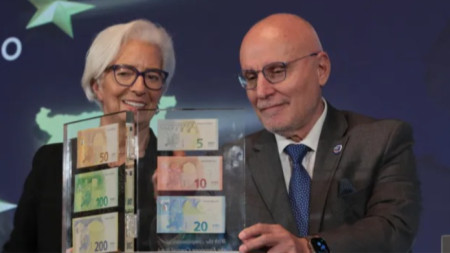
Citizens should remain calm about the introduction of the euro in Bulgaria from January 1, 2026, as the Bulgarian National Bank and commercial banks are ready for all processes related to the currency conversion and distribution of euro banknotes. This..








 Mostly Cloudy
 Fog
Fog Partly Cloudy
 Cloudy