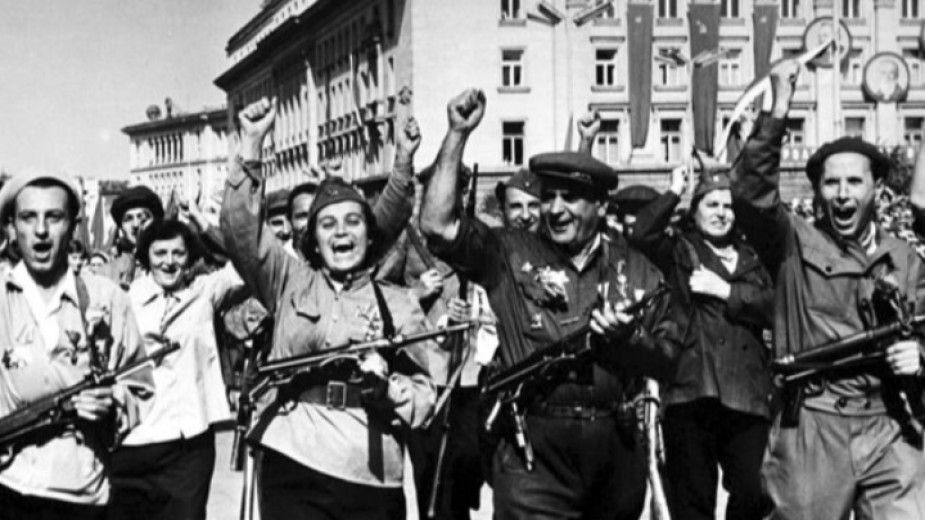
It is 80 years, on 9 September, since the communist coup d'état which put an end to the Kingdom of Bulgaria.
On 9 September, 1944, as World War II was still raging, officers who had passed over to the so-called Fatherland Front seized the Ministry of War, the Central Post Office, the Central Railway Station and other key sites in Sofia. The cabinet ministers from the government of Konstantin Muraviev were arrested and Kimon Georgiev, who took the helm of the new government, declared, over the radio, the new government of the national committee of the Fatherland Front. Bulgaria, which had been an ally of Nazi Germany, had by that time severed relations with the Third Reich. Nevertheless, on the night of 9 September, 1944, the government was overthrown, and Bulgaria was occupied by the Soviet Union’s red army. Bulgaria fell within the Soviet sphere of influence, and a wave of brutal violence and repressions ensued, with the so-called People’s Court later sentencing thousands to death, thus effectively beheading the country’s political, state, military and intellectual elite.
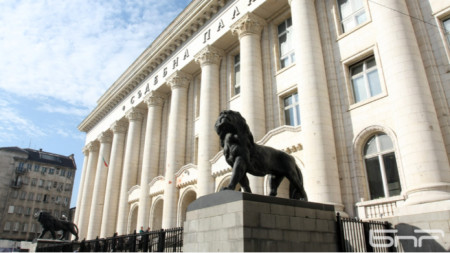
Judges have opposed the introduction of a new antivirus agent on their computers. The magistrates fear that it could violate personal data protection rules and compromise the independence of the judiciary. In an official letter, the Bulgarian..
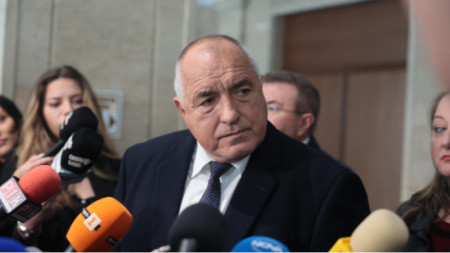
GERB leader Boyko Borisov said in Parliament that Bulgaria will become a member of the eurozone on January 1, regardless of protests organized by representatives of We Continue the Change Democratic Bulgaria (PP-DB). He was commenting on opposition..
Six countries, including Bulgaria, are at risk of non compliance with the EU fiscal framework in 2026. This is highlighted in the 2026 European Semester Autumn Package, adopted by the European Commission. Another 12 countries are urged to continue..



 Overcast, rain
 Mostly Cloudy
 Cloudy
 Rain / Snow
 Cloudy