Podcast in English
Text size
Bulgarian National Radio © 2026 All Rights Reserved

Diana Glasnova writes a book about the past of Bulgarian gardeners in Croatia

Diana Glasnova
Photo: BTA

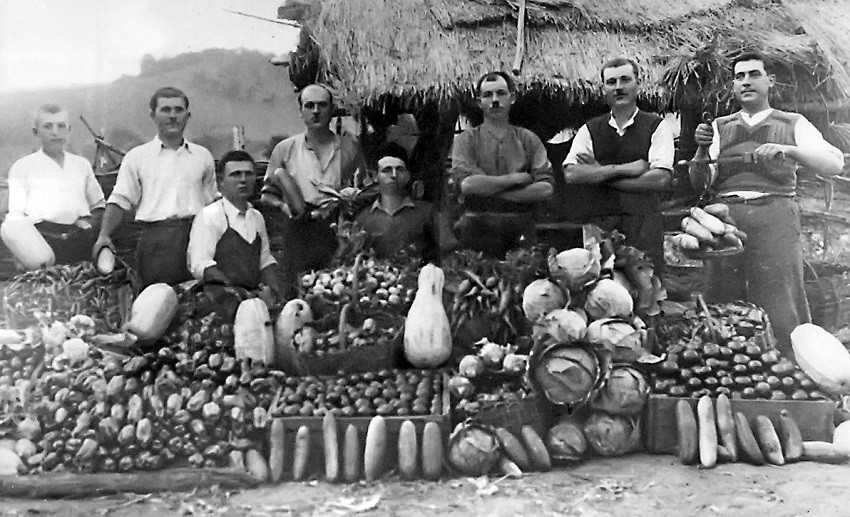
Bulgarian gardeners have been bringing the glory of Bulgaria to Croatia for more than a century and a half. They were true "ambassadors" of the humble and hardworking Bulgarian people, Diana Glasnova, author of the book Bulgarian Gardeners in Croatia, told BTA. Glasnova is also the editor-in-chief of the bilingual magazine "Rodna Rech", an official publication of the National Community of Bulgarians in Croatia.

"It can be said that Bulgarians have made a very large contribution, not to say a major contribution, to the development of market vegetable production in Croatia. Until the arrival of Bulgarians in Zagreb after 1870, mass cultivation of vegetables was unknown. Bulgarians brought eggplant and red peppers to Croatia. The latter are still known to Croatians today as Bulgarian red peppers," says the author. Bulgarian “patents” are the "dolap" (a water wheel) for watering vegetables, shaping the areas in beds, growing early seedlings, and much more.

Bulgarian gardeners in Hungary, 1930s
Bulgarians followed strictly defined deadlines for planting different types of vegetables, as well as some superstitions, such as planting only on Mondays, Wednesdays, and Fridays and, if possible, on a full moon, in order to have a successful harvest, adds Glasnova.

In her book, she writes that Croatians, especially the elderly, still remember and highly value their “nurturers.” “They called their smallest coin “bugarchitsa,” and small money “bugari,” because even with them they could buy fresh vegetables from “their Bulgarian friend.”

“These facts are little known, because after the Second World War war, for various political reasons, the attitude towards Bulgaria in Tito's Yugoslavia was such that many Bulgarians returned to their homeland and very few gardeners remained", says Diana Glasnova and gives an example that in 1942 there were about 2,000 Bulgarian gardeners in Zagreb, and at the end of 1945 there were only 250. Another reason for the departure of the Bulgarians was the land. To grow vegetables they mainly rented land from the Catholic Church, which was confiscated by the new authorities. They could now buy land only if they were married to a Yugoslav woman and only if the land was purchased in her name. A third main problem was obtaining a work visa, as the regime was highly restrictive.

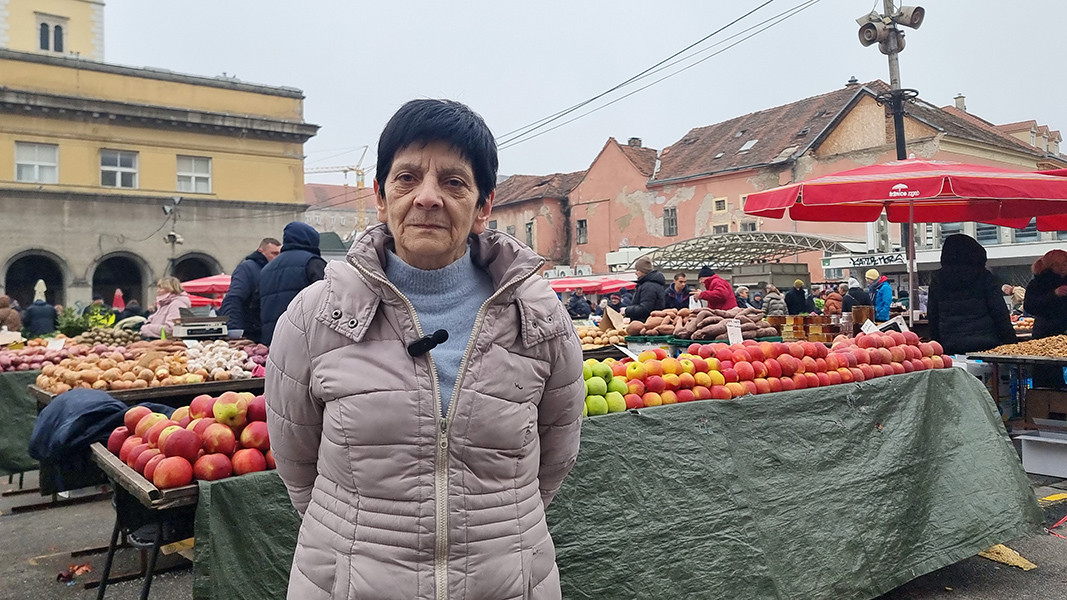
Once upon a time, the number of Bulgarian stalls at the Dolac central marketplace in Zagreb exceeded the number of Croatian ones. Today there is not a single Bulgarian stall left, Glasnova summarizes.

Read also:


Последвайте ни и в Google News Showcase, за да научите най-важното от деня!
Listen to the daily news from Bulgaria presented in "Bulgaria Today" podcast, available in Spotify.

More from category

New cultural-gastronomic center showcases Bulgarian culinary tradition in Romania

The Bulgarian minority in Romania marked a significant event with the official opening of the Bulgarian Inn in the village of Izvoarele (Hanul Bilgarilor), Teleorman County (Southern Romania)- a locality with Bulgarian roots dating back over 200 years...

published on 11/30/25 6:00 AM

The DiVino.Taste forum showcases new and exciting wines from across Bulgaria

The 14th edition of DiVino.Taste, Bulgaria’s leading forum for wines and winemakers, will take place from 28 to 30 November at the Inter Expo Centre in Sofia. Over 80 producers from all wine regions will participate, offering tastings of around 600 of the..
published on 11/28/25 9:05 AM

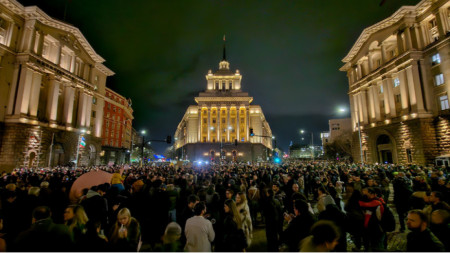
After massive protest in front of parliament building the ruling coalition freezes budget for 2026

Minutes before the second and final reading, at the parliamentary budget and finance committee, of the state budget for 2026, the leader of the biggest party represented in parliament GERB Boyko Borissov halted the procedure and sent the draft bill..

updated on 11/27/25 2:52 PM