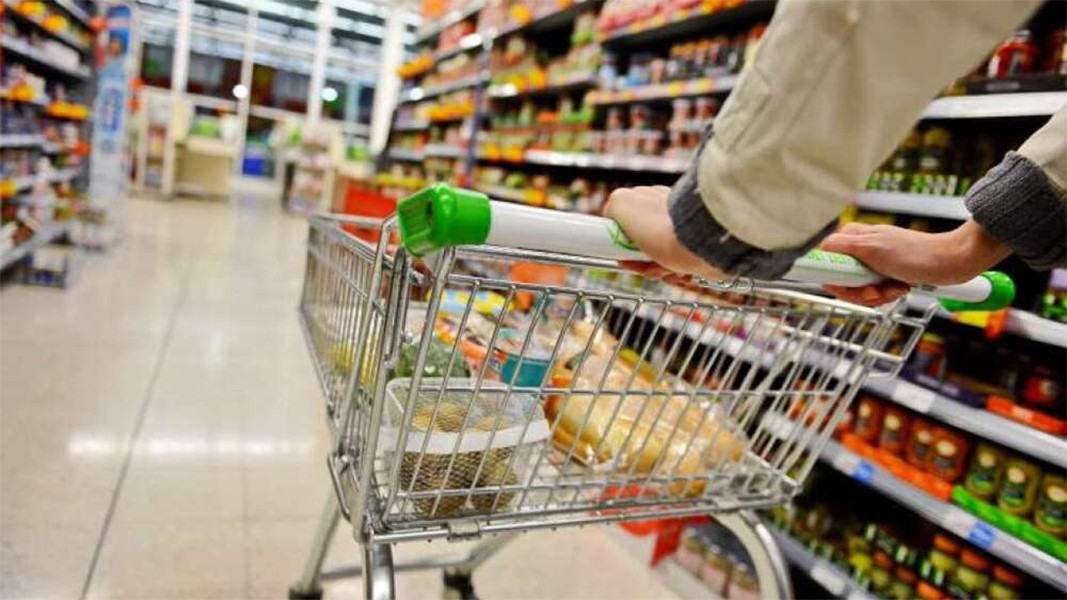
Bulgarians are consuming less bread, cheese and vegetables, but more fruit, according to the latest data from the National Statistical Institute on household consumption in the third quarter of 2025, compared to the same period last year. Consumption of sausages, beans and potatoes remains unchanged. The largest expenses are for food and non-alcoholic beverages, accounting for nearly 30% of total spending.
Spending on food and non-alcoholic beverages has increased from 881 to 957 BGN. Housing costs are the second largest expense, making up 15% of spending. Expenditures on alcoholic beverages and cigarettes also rose by 15%, reaching 136 BGN per person. Housing expenses, including water, electricity, heating, furnishings, and home maintenance, increased from 485 to 501 BGN, while spending on taxes and social insurance contributions rose from 420 to nearly 500 BGN. According to the National Statistical Institute, monthly inflation is 0.9%, and inflation since the beginning of the year is 4.6%.
Edited by Ivo IvanovPublished and translated by Kostadin Atanasov
Photo: BTA
Less than 100 days remain until Bulgaria joins the eurozone, and this is another reason to talk about the incomes of people in Bulgaria, about the Bulgarian economy, about foreign investments and about the domestic labour market which reacts the..

At the end of September, with a little over three months to go until the Rubicon in Bulgarian public finance - 1 January, 2026, when the country will officially leave the currency board and adopt the single European currency, the euro – issues..

Bulgaria is among the most dynamic and promising economies in Southeastern Europe, said Prime Minister Rosen Zhelyazkov. He participated in a luncheon roundtable discussion in New York organized by the Delphi Economic Forum and the Business Council..







 Overcast, rain
 Rain / Snow
 Cloudy
 Scattered showers
 Cloudy
 Rain
Rain