The advantages and disadvantages of Bulgaria’s Eurozone accession and the replacement of its national currency by the euro have been discussed here ever since the country joined the EU back in 2007. However, Sofia’s authorities hadn’t taken any concrete steps to introduce the euro till recently, at the same time constantly claiming that the country had met all the criteria for its Eurozone membership. An official letter was sent no earlier than two months ago on behalf of the finance minister and the CEO of the Central Bank, requesting participation of the country in the Single Supervising Mechanism via the establishment of tight cooperation with the European Central Bank and also exposing this country’s intentions to apply for the ERM2 mechanism. Now the government has also adopted an action plan for simultaneous accession to the ERM2 and the banking union till July next year.
The document envisages amendments in the national legislation in accordance with the European regulations, also measures for strengthening the banking sector, for enhanced bank supervision and for stricter monitoring of the retirement funds and the insurance companies. The measures, aimed at state-owned companies are no less important, as there will be recommendations and requirements there for upgrade and adaptation of their management and finances to the European rules. The goal of all these measures is enhanced control over banking and financial institutions in Bulgaria, in order for its macroeconomic stability not to be endangered. This is a really tough task that the parliament will have to cope with within the shortest term – by mid-2019. There is plenty of time, the political and economic systems are stable, i.e. the environment is favorable for successful reforms. Moreover, the overall attitude in Bulgaria towards the common currency is positive – both among average citizens and within the economic and political circles. In fact this country is the only one from the group of EU’s non-Eurozone members which has been taking the first concrete steps to join the Eurozone.
At the same time we must underline here that for the first time the Eurozone introduces new requirements for an applicant that are more like political and not entirely bank-related, financial or monetary. Both Brussels and Frankfurt made it clear that only visible success in the fight with corruption would mean Eurozone accession. The Bulgarian authorities are particularly sensitive in regard to this requirement, as the country has been under constant monitoring by Brussels in terms of legal compliance and coping with high level corruption. So, if this monitoring has been going on for a decade now then obviously Bulgaria hasn’t scored any significant progress in that sphere. Then, for the first time an applicant will have to wait and carry out the necessary reforms even prior to entering the ‘waiting room’ of the Eurozone – and it will spend there an uncertain period of time until the actual introduction of the euro.
The authorities’ action plan for simultaneous accession of the ERM2 and the banking union in July 2019 seems to be trustworthy, sets requirements, deadlines and is an overall program for large-scale financial and economic reforms. It won’t be an easy thing to do, as the interests of powerful lobbies and business circles will be affected. However, if this plan fails, Bulgaria will face the danger of remaining in the periphery of the Eurozone in the role of a secondhand member that nobody complies with. Neither the average Bulgarians, nor the authorities are going to like that situation.
English version: Zhivko Stanchev
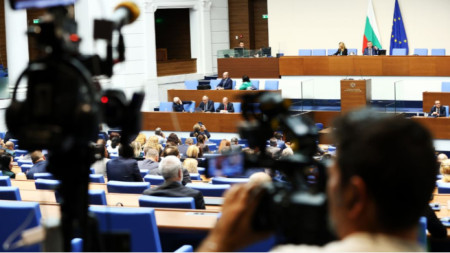
The draft state budget was adopted in first reading by the National Assembly on November 21. However, the planned changes in the financial framework for 2026 triggered an open clash between the ruling coalition, led by GERB party, and the opposition..
KBC Group expects the Bulgarian economy to grow slightly more next year in comparison to its previous forecasts, according to the conclusions of the Belgian financial group's latest assessments of the economies of Central and Eastern..
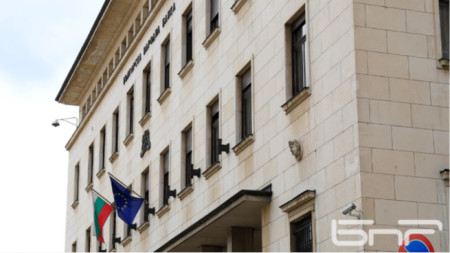
Foreign direct investment (FDI) in Bulgaria posted the largest net inflows from the Netherlands, Italy and Greece in the first half of 2025, the Bulgarian National Bank (BNB) said. Net FDI inflows totalled €554.9 million from the Netherlands, €325.2..







 Mostly Cloudy
 Partly Cloudy
 Cloudy
 Fog
Fog