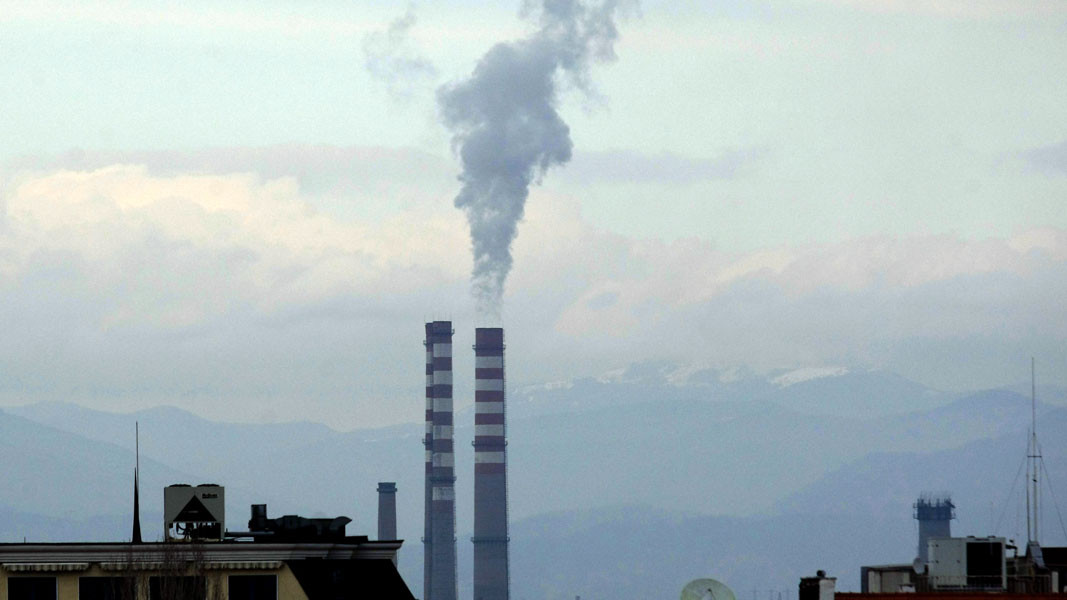
The Sofia Municipality and Toplofikaciya Sofia (the district heating company) have been considering the launching of a waste incineration project since 2008. Since then, however, the municipal authorities have not taken into account neither the positive developments in EU waste management legislation that have taken place over these last twelve years, nor the good practices in this field in some member states such as Italy, Slovenia and Belgium resulting in significant increases in the percentage of recycled waste.
It comes as no surprise then that Sofia’s residents have been opposing the plans of the local authorities to build waste incineration facilities in the Sofia Thermal Power Plant. In their view, this is a dangerous plan that would result in waste of energy, raw materials and public financing.
Residents of Sofia contend that the waste incineration facilities will be another source of fine particulate matter and other harmful substances in Bulgaria’s capital, where high levels of air pollution are registered on a regular basis.
Moreover, this investment is estimated at EUR 150 million, of which EUR 140 million will be borrowed by the European Investment Bank. The rest of the financing is expected to be allotted under the Environment 2014-2020 Operational Programme.
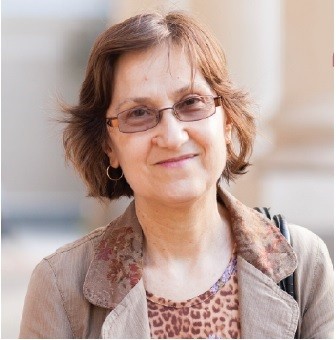
"On one hand, we will build the above-mentioned waste incineration facilities and increase the level of air pollution through the emission of dangerous toxic substances. On the other hand, we will have to pay off a bank loan", Antoaneta Yotova, expert in environmental policies, said in front of Assia Chaneva for Radio Bulgaria. "The authorities want to receive financing under the old rules and regulations, which are part of the 2014-2020 programming period. However, the new legislation of the EU in relation to waste management will be enforced in 2021 and will not allow financing of such projects.
However, we will be in violation of some regulations during the construction and later during the exploitation of the facilities and also as a result, the EU will initiate infringement procedures against our country that will be again at the expense of the Bulgarian taxpayers. On one hand, we are facing financial problems and on the other hand our health is at risk".
The waste incineration project envisages the construction of a facility for incineration of processed waste that will provide alternative fuel - RDF (Refuse-Derived Fuel). RDF will be used by Sofia Thermal Power plant as an alternative to natural gas and as a result, this company will save between EUR 12 million and EUR 15 million per year.
According to the new 2030 waste management target of the EU, separation of waste will become mandatory and 65% of all waste quantities must be recycled. If the Sofia authorities launch the waste incineration facility, they will not be able to meet the new targets, as 50% of Sofia’s total waste (that is more than 180,000 tons) will be burned in the new incinerator per year. As the facility will not be able to work at a lower capacity. This will result in Sofia processing waste from other Bulgarian cities and the sludge from the waste-water treatment plants in Sofia will be probably burnt in the new incinerator as well.
The theory that if we burn waste, we will not be able to deposit it is also controversial, because according to experts, 25% of the incinerated quantity turns into ashes and slag and must be deposited as well. The facility will produce 22 tons of toxic ashes a day which must be deposited in remote and special waste repositories in Germany. This will raise the costs significantly and increase the risk of accidents during transportation.
The incineration of the RDF waste was not included and evaluated as a new source of pollution in the two consecutive programmes for management of air quality in Sofia in the period 2011-2020. Therefore, if the project is not modified, its implementation will not only violate EU policies and legislation by hampering the separation of waste and waste recycling for decades to come, but will also be an extreme waste of public money and resources. Tens of thousands of tons of valuable raw materials such as plastic, paper, textile, wood, organic waste and cardboard will be destroyed through waste incineration. These materials could be recycled and used for the production of compost or bio gas instead, which would mean more revenues for the municipality. Danita Zarichinova from “For the Earth” Environmental Association contends that the money can be used for other purposes that will not cost as much:
 "This is an old project", Danita points out and adds: "Last year we submitted a vision for waste management in Sofia. It envisages a complete change in the waste collection and waste transportation system".
On the other hand, the number of municipal councilors who disagree with the waste incineration project has increased. Some of them have brought the case to court, after it was rejected in a referendum. That is why environmentalists are asking all candidates for mayor of Sofia what their opinion is on the waste incineration project. So far, only one candidate has expressed opposition to the construction of the incineration facility.
You can follow the case with the incinerator in Sofia on the website of For The Earth here:
https://www.zazemiata.org/pobeda-insinerator/
English version: Kostadin Atanasov

The diplomas from the 11th master class in radio journalism of the Bulgarian National Radio – BNR Academy were awarded at a solemn ceremony on November 14. The lectures and practical classes in modern forms of radio journalism build on the professional..
Italy investigates claims of hunting of people in Sarajevo in the 1990s The prosecutor's office in Milan has launched an investigation into shocking reports of organized "sniper safaris" in Bosnia during the war in..
Albania and Bulgaria have joined forces in the name of one more child being born. In the late afternoon of November 7, the first-ever free reproductive medicine checkups, led by Bulgarian specialists, began in the Albanian town of Korçë — a region..







 Mostly Cloudy
 Partly Cloudy
 Cloudy
 Fog
Fog