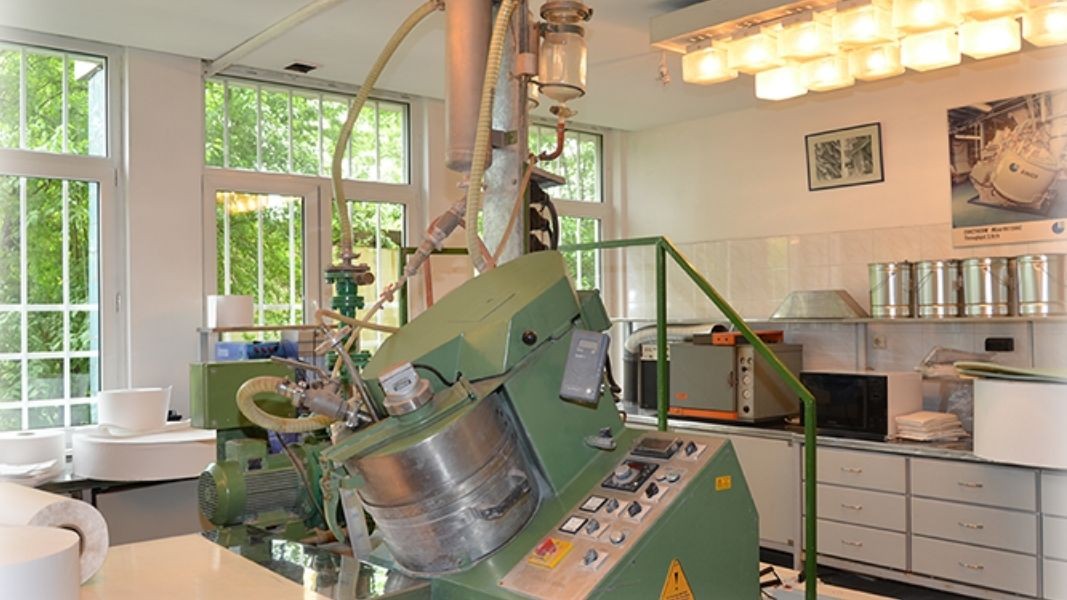
The recent major floods in Germany are an example of the effects of global climate change. The main method of tackling the problem is to switch to zero-emission fuels that do not emit carbon dioxide and are environmentally friendly.
Hydrogen is one of these energy carriers and it is also among the most promising alternatives for energy storage. That is why scientists from the Institute of Electrochemistry and Energy Systems at the Bulgarian Academy of Sciences (BAS) have been developing new methods for hydrogen production aimed at preventing progressive climate change. Project leader is young Dr. Elitsa Petkucheva, who is a finalist in the program "The Most Prominent Young People in Bulgaria 2020". According to her, such an innovation could lead to a significant reduction in the overall production of energy from fossil fuels. The specific goal is to optimize the composition and structure of catalysts used for hydrogen production by increasing the energy efficiency and lowering the cost of electrodes. "We believe in the success of the project and the large-scale contribution it could make,” the young scientist says.
Author Vesela Krasteva

The diplomas from the 11th master class in radio journalism of the Bulgarian National Radio – BNR Academy were awarded at a solemn ceremony on November 14. The lectures and practical classes in modern forms of radio journalism build on the professional..

Italy investigates claims of hunting of people in Sarajevo in the 1990s The prosecutor's office in Milan has launched an investigation into shocking reports of organized "sniper safaris" in Bosnia during the war in..
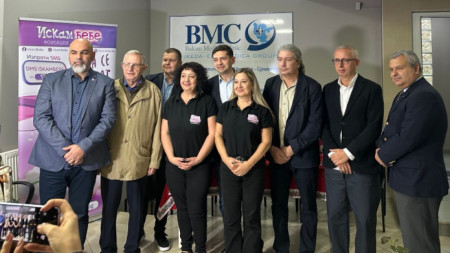
Albania and Bulgaria have joined forces in the name of one more child being born. In the late afternoon of November 7, the first-ever free reproductive medicine checkups, led by Bulgarian specialists, began in the Albanian town of Korçë — a region..








 Cloudy
 Mostly Cloudy
 Cloudy