 4
4
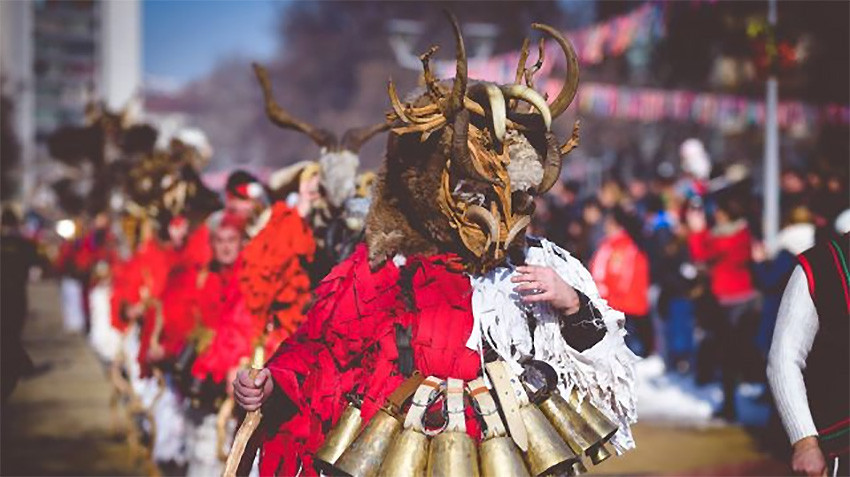
Let's drive away the evil forces on Surva! - is the motto of the largest festival of masquerade games in Bulgaria and the Balkans. Traditionally, the festival held in the town of Pernik brings together thousands of participants, representatives of all ethnographic regions in Bulgaria, as well as guests from Europe, Asia and Africa.

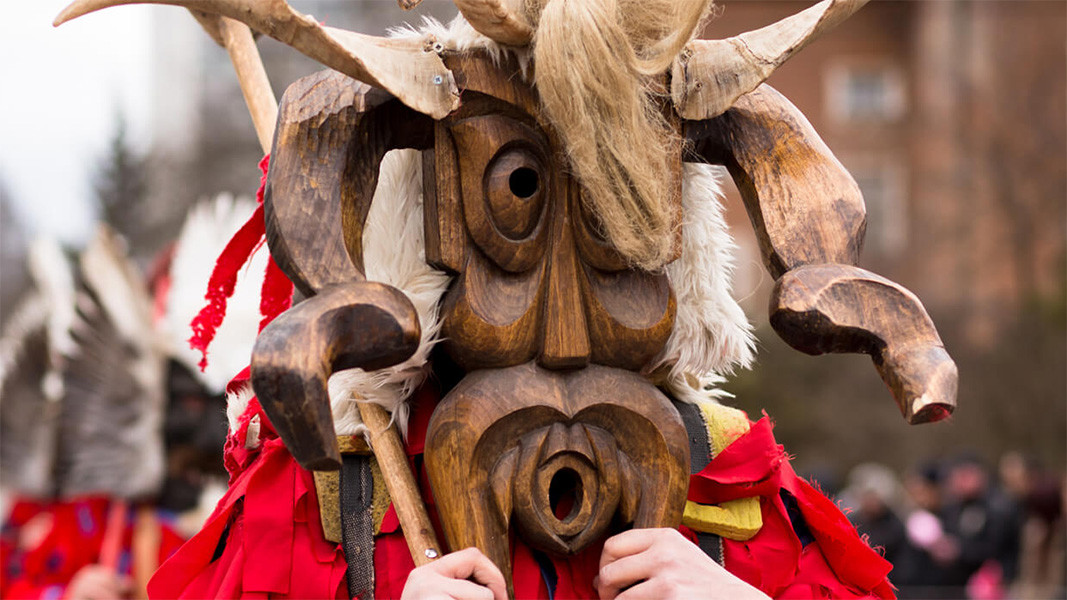
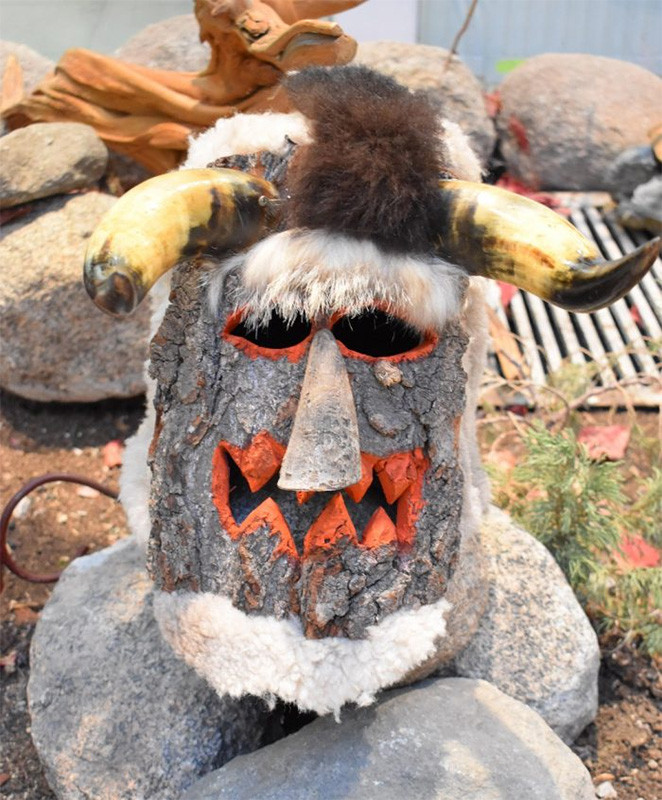
For the third year in a row, however, the attractive forum has been cancelled a few days before the announced date - January 13, due to the spread of the Covid-19 pandemic. However, the tradition cannot be broken. In the villages near Pernik this year groups of mummers will perform the ritual on the night of 13th to 14th January and on the day of Surva. The custom is included in the UNESCO Representative List of the Intangible Cultural Heritage of Humanity. The most typical are masks made of animal skin, stuffed wild animals, feathers, wood and textiles. It is believed that the bigger and scarier the mask, the more it will be able to drive evil spirits away from people. That is why the mummers' processions in Bulgarian lands are crowded and noisy, so that winter can be expelled faster and spring can arrive.
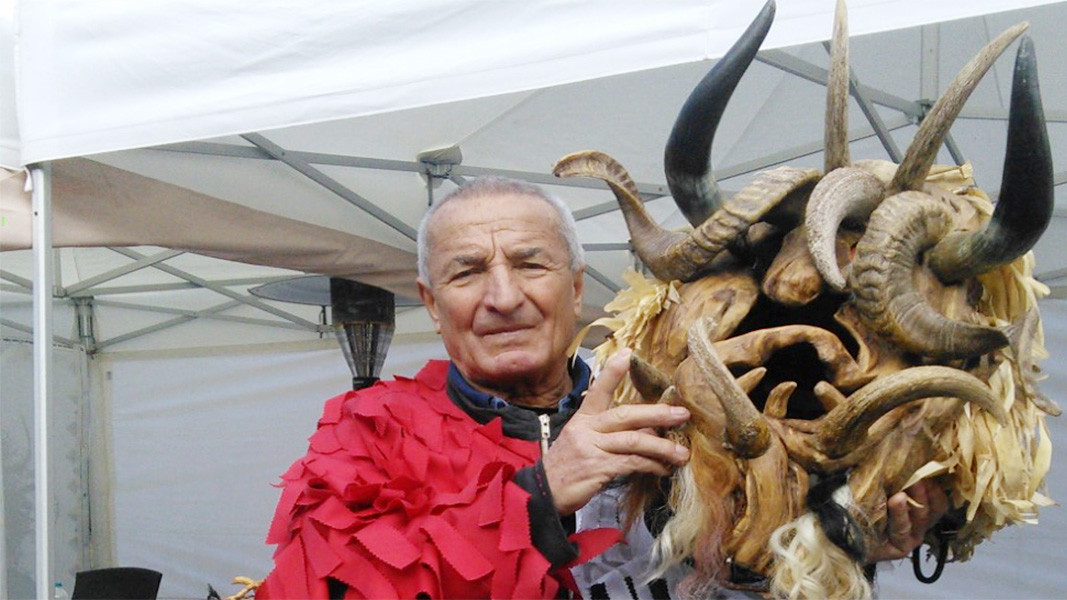
In Western Bulgaria, the masked men at the beginning of the year are called "survakari", elsewhere - "kukeri". The tradition exists in many parts of Bulgaria - it has been preserved by all enthusiastic young people from the numerous amateur groups of mummers. For years, they have carefully maintained their precious mummer's masks, which bring a lot of joy to masquerade days.

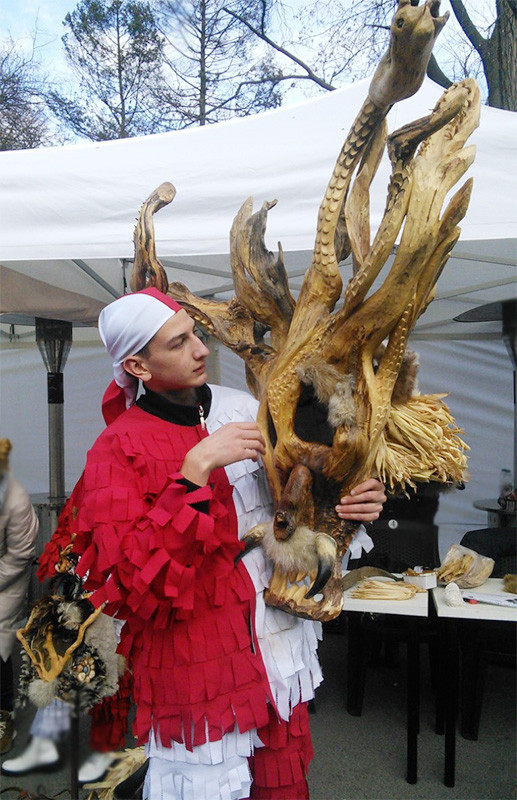
But who creates their scary images? To answer this question, we meet with Kiril Shtrapulin from the village of Drugan near Pernik. For over 30 years he has been collecting natural materials and has made dozens of unique masks.
He is a welder by profession, but he creates masks in his free time. For them he collects red willow trunks near the village. He says that the red willow tree is not suitable for firewood, but it has bizarre shapes. To it he adds the elements characteristic of a mummer. Everyone in the area knows Kiril Strapulin, because no local fair or celebration goes without an exhibition of his mummer's masks. Most of all he wants to meet young people to whom he can pass on his craft:
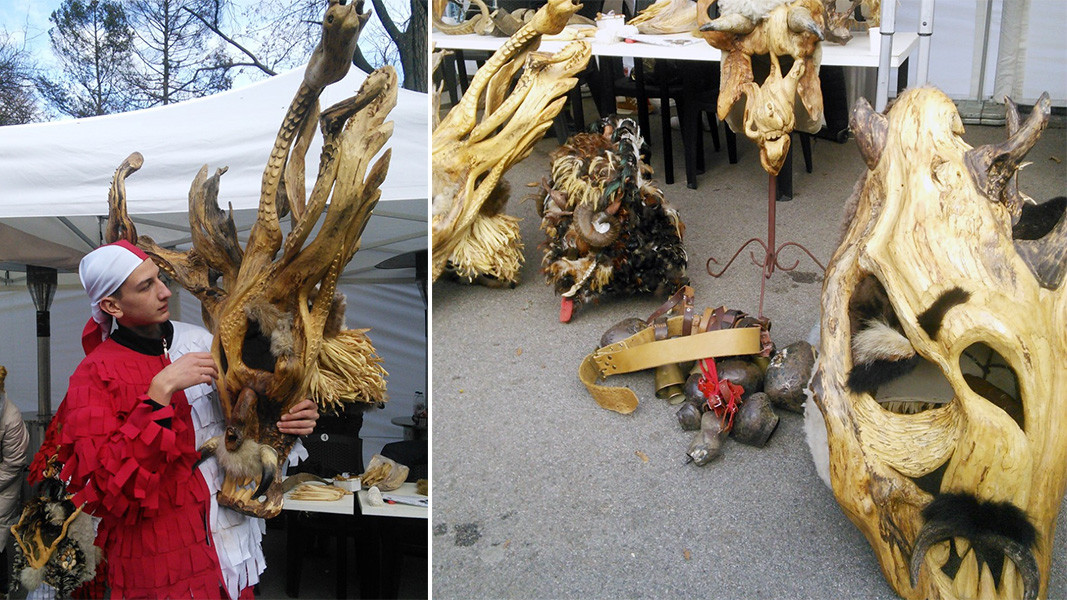
"I am alone in the village, I participate in fairs every year, before I used to make exhibitions - masks, woodcarving, plastic, but there is no one to help me in the studio and to study from me. This has been my hobby since I was young. The more people make their own masks, the more interesting and diverse the mummer's procession becomes. However, there is no child who has come and taken an interest. This is a problem, young people do not have the desire and time to do such things. All their attention is on their phones and the convenience they create”.
Thanks to the mummer's masks, the master from the village of Drugan has travelled all over Europe. He says that there he received a lot of applause and admiration for the way he presents Bulgaria’s folklore tradition. The master says that decades ago the village was both fun and interesting because the families had many children and they learned different skills from each other.
There are now only 2-3 children in Drugan, and many of the families have gone abroad.
"So are also the other crafts doomed to extinction. There are no more tailors, barbers, knitters in the village. Now, even if you want to, you have no one to teach, the people themselves have disappeared. At least in our village there are things that we manage to preserve, albeit slowly, without money. We have a church in the village and we also have an artist who paints icons, and I make wooden frames for them. There are, though few, good people left here and they are doing something”.
English version Rositsa Petkova
Photos: studiopernik.com, BGNES, Gergana Mancheva, archive
On 22 November, the Association of Bulgarian Folk Ensembles Abroad (ABFEA) will present its project, 'Online Catalogue of Bulgarian Horo and Other Dances', in three European cities: Lyon, Munich and Copenhagen. 'Our goal is to preserve Bulgarian..
‘The Bulgarian horo is a kind of magic — an enchanted circle that pulses with the unique energy of our spirit, our traditions and our identity,’ says journalist Milena Milotinova, who recently presented her new documentary The Magic of the Bulgarian..
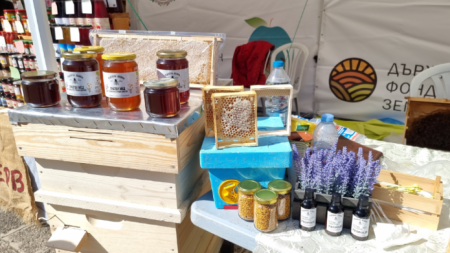
The Eastern Rhodopes come to life in the heart of Sofia – with authentic flavoуrs, music and craftsmanship . Residents of the Bulgaria capital have a chance to immerse themselves in the atmosphere of Momchilgrad Municipality and its cultural and natural..





 Mostly Cloudy
 Fog
Fog Partly Cloudy
 Cloudy