Due to shrinking consumption and export, Bulgaria’s economy will slow down its growth down to 1.8% in 2023, according to the Ministry of Finance spring macroeconomic forecast. In 2022, the growth rate was 3.4%.
Due to the war in Ukraine an alternative scenario has been developed, in which the GDP growth is projected to drop down to 0.5%. The average annual inflation rate will be 8.7%. Due to an expected decline in the prices of some foodstuffs and their share in consumption, inflation is expected to shrink by the end of the year down to 5.6%, the analysis reads. The annual unemployment rate is expected to be 4.1%, a minimum decline by 0.2% compared to 2022.
On the basis of to the spring forecast, in April the Finance Ministry is to present a draft budget for 2023, and submit it to the newly elected parliament for discussion.
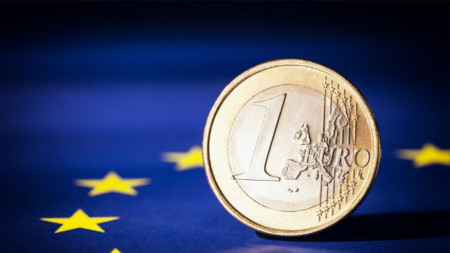
In its “Questions and Answers” section on the introduction of the euro, the Bulgarian National Bank has published a clarification on how the single currency should be denoted and written in accordance with EU regulations. The name of the..

The government approved the draft Law on the 2026 State Budget, as well as the Updated Medium-Term Budget Forecast for the 2026–2028 period. In connection with the introduction of the euro on January 1, 2026, all figures have been prepared in..
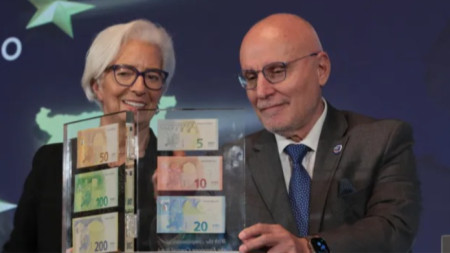
Citizens should remain calm about the introduction of the euro in Bulgaria from January 1, 2026, as the Bulgarian National Bank and commercial banks are ready for all processes related to the currency conversion and distribution of euro banknotes. This..







 Partly Cloudy
 Cloudy
 Mostly Cloudy