Due to shrinking consumption and export, Bulgaria’s economy will slow down its growth down to 1.8% in 2023, according to the Ministry of Finance spring macroeconomic forecast. In 2022, the growth rate was 3.4%.
Due to the war in Ukraine an alternative scenario has been developed, in which the GDP growth is projected to drop down to 0.5%. The average annual inflation rate will be 8.7%. Due to an expected decline in the prices of some foodstuffs and their share in consumption, inflation is expected to shrink by the end of the year down to 5.6%, the analysis reads. The annual unemployment rate is expected to be 4.1%, a minimum decline by 0.2% compared to 2022.
On the basis of to the spring forecast, in April the Finance Ministry is to present a draft budget for 2023, and submit it to the newly elected parliament for discussion.
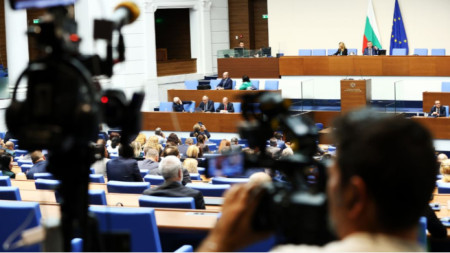
The draft state budget was adopted in first reading by the National Assembly on November 21. However, the planned changes in the financial framework for 2026 triggered an open clash between the ruling coalition, led by GERB party, and the opposition..
KBC Group expects the Bulgarian economy to grow slightly more next year in comparison to its previous forecasts, according to the conclusions of the Belgian financial group's latest assessments of the economies of Central and Eastern..
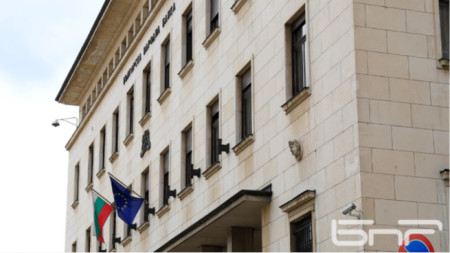
Foreign direct investment (FDI) in Bulgaria posted the largest net inflows from the Netherlands, Italy and Greece in the first half of 2025, the Bulgarian National Bank (BNB) said. Net FDI inflows totalled €554.9 million from the Netherlands, €325.2..







 Rain
Rain Mostly Cloudy
 Cloudy
 Overcast, rain
 Scattered showers