
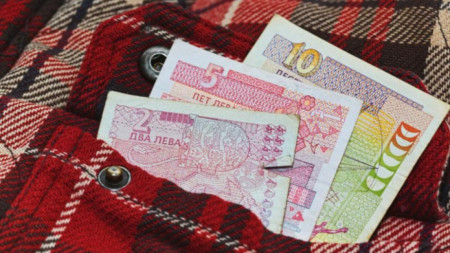
In 2022, Bulgaria had the second-highest increase in hourly wages among the EU members outside the Euro area, data of Eurostat show. In Bulgaria hourly wages increased with 15.5% year-on-year. Only Hungary reported a higher increase - 16.4%. The hourly wages increased the least in Denmark- 2.2%.
However, Bulgaria has the lowest hourly wage in the EU. The average hourly wage in the EU was EUR 22.90. The average hourly wage in the Eurozone was slightly higher-EUR 25.50, whereas the average hourly wage in Bulgaria was EUR 8.20. For comparison, the average hourly wage in Norway was EUR 55.60.
Bulgaria’s Ministry of Finance has published the draft state budget in euros for 2026. The country’s GDP is projected to reach EUR 120.1 billion, with an economic growth rate of 2.7%. Planned revenues amount to EUR 51.436 billion, or 42.8% of GDP...

In 2024, 8.2% of people aged 18 or over who declared to be at work (either employed or self-employed) in the EU were at risk of poverty, according to data from Eurostat, cited by the BNR's Horizont channel. In Bulgaria, this share reached 11.8%. The..
The two largest trade unions in Bulgaria - the Confederation of Independent Trade Unions in Bulgaria and the Confederation of Trade Unions "Podkrepa" - are organizing a warning protest in front of the Council of Ministers building. It is planned for..






 Cloudy
 Cloudy
 Mostly Cloudy