
In 2022, Bulgaria had the second-highest increase in hourly wages among the EU members outside the Euro area, data of Eurostat show. In Bulgaria hourly wages increased with 15.5% year-on-year. Only Hungary reported a higher increase - 16.4%. The hourly wages increased the least in Denmark- 2.2%.
However, Bulgaria has the lowest hourly wage in the EU. The average hourly wage in the EU was EUR 22.90. The average hourly wage in the Eurozone was slightly higher-EUR 25.50, whereas the average hourly wage in Bulgaria was EUR 8.20. For comparison, the average hourly wage in Norway was EUR 55.60.

In view of the country's declining population, the Fiscal Council recommends that the government take savings measures in the 2026 state budget. The measures include: reducing the municipal administration by merging municipalities;..
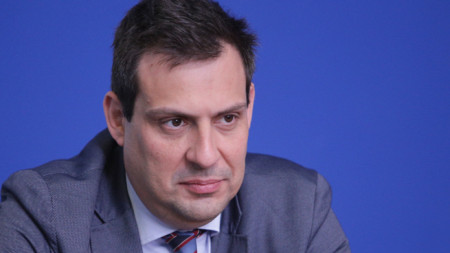
No disruptions or price increases are expected on Bulgaria’s fuel market following the US sanctions imposed on Russian oil companies Rosneft and Lukoil, Bulgarian Petroleum and Gas Association Chairman Svetoslav Benchev told BTA. "For now, I..
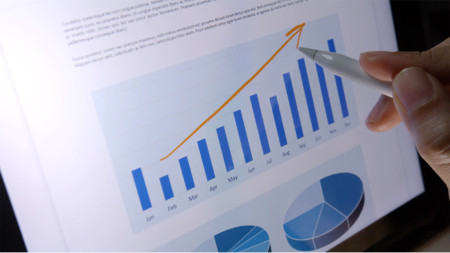
The annual growth of Bulgaria's gross domestic product will remain above 3% in the period 2025-2027 , according to a report by commercial credit insurer Allianz Trade, BTA reports. According to Allianz this means that the Bulgarian economy will become..





 Rain
Rain Mostly Cloudy
 Cloudy
 Overcast, rain
 Scattered showers