
In 2022, Bulgaria had the second-highest increase in hourly wages among the EU members outside the Euro area, data of Eurostat show. In Bulgaria hourly wages increased with 15.5% year-on-year. Only Hungary reported a higher increase - 16.4%. The hourly wages increased the least in Denmark- 2.2%.
However, Bulgaria has the lowest hourly wage in the EU. The average hourly wage in the EU was EUR 22.90. The average hourly wage in the Eurozone was slightly higher-EUR 25.50, whereas the average hourly wage in Bulgaria was EUR 8.20. For comparison, the average hourly wage in Norway was EUR 55.60.
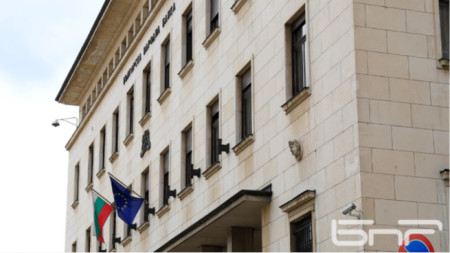
The growth of the national economy in the second quarter of 2025 accelerated by 3.5% on an annual basis. According to an analysis by the Bulgarian National Bank - BNB, the main factors for the acceleration are the decrease in imports..

For the first time, Bulgaria’s Minister of Finance Temenuzhka Petkova took part as an observer in the regular meeting of the Eurogroup held in Luxembourg, the Ministry of Finance said. Until now, Bulgaria has only participated in Eurogroup..

Since the beginning of the current year, Bulgaria has experienced record heat waves, a series of devastating fires, and a new disaster just days ago – catastrophic floods that claimed human lives . Climate change already has its price – and it is..






 Cloudy
 Mostly Cloudy
 Cloudy