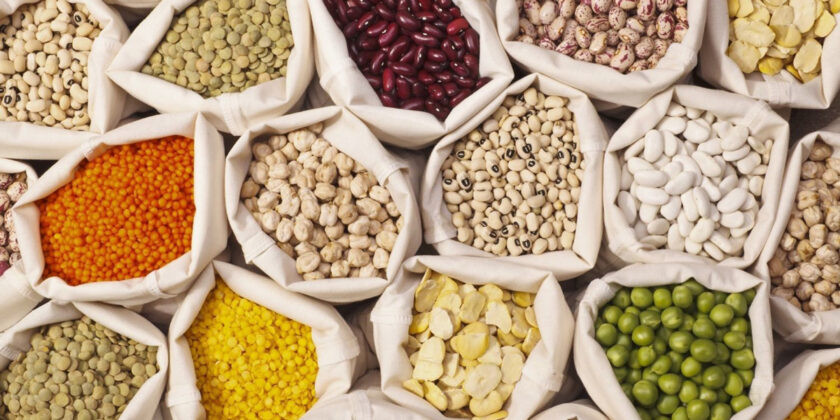
Cheese cake and three kinds of appetizers, all made out of Smilyan beans, as well as an array of tasty, healthy and unorthodox dishes made of Smilyan beans – all of this and more is on the menu available to the visitors coming to Smilyan village for an initiative called “Rediscover and fall in love with beans”, or Bean Valentine, which is on until the end of the week. The initiative is connected with the date 10 February - World Pulses Day.
But why Smilyan? Because this village, located in the Rhodope mountain has the reputation of being one of the world’s capitals of beans and healthy eating. Here, the bean-growing traditions go back more than 250 years, and the tasty locally grown beans have come to be a symbol of Smilyan itself, but also of the upper reaches of the river Arda as a whole. 
In 2023, Smilyan played host to a meeting of the Slow Beans international network, the first to take place outside Italy.
“This is a major token of appreciation of the efforts we have been making for more than two decades - as producers, as places of accommodation and catering establishments, and as institutions - to popularize this staple,” says, in an interview with Radio Bulgaria, Ilia Godev, secretary of the local chitalishte (community culture club) and coordinator of the community “Rhodopes-Smilyan: Traditional food and production practices from the region of the upper reaches of the Arda river”.
More:
“We called the initiative “Rediscover and fall in love with beans”, with a slight nod to St. Valentine’s Day, because 10 February is just 4 days before it. The idea is to acquaint people of various ages – from the village, but also the people visiting Smilyan – with the benefits of beans to human health, but also to soils and to nature. Because pulses – including lentils, chickpeas etc., are one of the planet’s strategic resources.”
The youngest citizens of Smilyan are given special attention during the campaign. For the kids from the village kindergarten there are games and educational activities focusing on a healthy diet, as well as a special lunch “bean” menu. For the children from the Saints Cyril and Methodius primary school there are educational lectures and quizzes on the subject of: What we don’t know about beans. 
They have also been given an additional task – to track down and put down on paper traditional bean and pulses recipes from the region. At the end, there will be a contest for best picture of the recipes they have presented.
And, of course, there will be “prizes” for all participants in the initiative – with an unorthodox menu of the “fast food” kind that teenagers love so much – but not quite.
“At the school canteen they will get lunch – a Smylian bean and mayonnaise schnitzel, cooked with the water used to boil the beans,” Ilia Godev says. When it comes to beans, the locals demonstrate a unique kind of artistry. At the local tavern, visitors can choose from 12 different Smilyan bean dishes, like:
“Bean soup with penny bun, stewed beef with Smilyan beans, as well as a dish that has been emblematic since 2007 – breaded Smilyan beans. Families here love to experiment. For example, at the amateur cooking competitions during our annual Smilyan beans festival we have seen some unique dishes – like lamb shoulder stuffed with Smilyan beans or salty bean cake, even candy made of beans,” says Ilia Godev.
Translated and posted by Milena Daynova
Photos: Saints Cyril and Methodius primary school, Smilyan; Smilyan Visitor Centre

Bulgaria celebrates National Reading Day on the third Friday of November. The Reading Foundation is leading the initiative under the motto: “Read. For Real”. According to the OECD's PISA 2022 study, 53% of 15-year-old students in Bulgaria have..

On November 21–22, 2025, the 11th edition of the Career Fair will take place at the John Atanasov Hall in Sofia Tech Park. The forum aims to support early career orientation for young people in Bulgaria and is organized by the Bulgarian Global..

From fear and doubts to joy and support – Bulgarians react differently to the upcoming introduction of the euro on January 1, 2026. For some, it is a logical step towards Bulgaria’s integration into the EU with promises of stability..






 Cloudy
 Partly Cloudy
 Fog
Fog Clear
Clear Mostly Cloudy
 Overcast, rain
 Thunderstorms