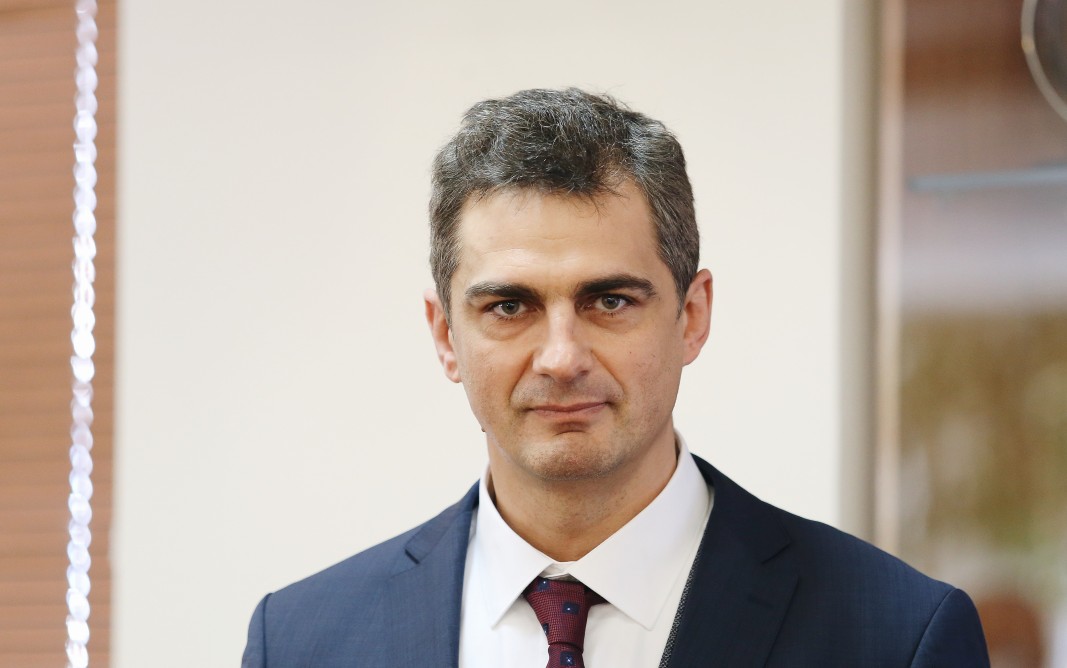
"Bulgaria has a broader set of tools to address the energy crisis which has affected Europe. There are many thermal power plants in Bulgaria using local coal. The cost of electricity produced in coal-fired power stations is lower than the cost of electricity produced in gas-fired power plants", the newly-appointed Chairman of the Energy and Water Regulatory Commission (EWRC) Stanislav Todorov said for the BNR.
"Bulgaria does not have a strong incentive to raise electricity prices after the end of the moratorium on the prices of electricity for households, because there is no power shortage in the country", Stanislav Todorov pointed out. He added that the current energy crisis was caused by geopolitical factors. Trading the whole electricity on the day-ahead market in times of crises and uncertainty is wrong and this needs to be changed, the Chairman of the Energy and Water Regulatory Commission further said.
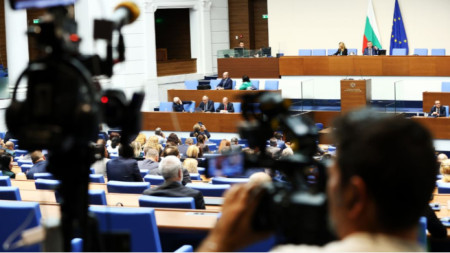
The draft state budget was adopted in first reading by the National Assembly on November 21. However, the planned changes in the financial framework for 2026 triggered an open clash between the ruling coalition, led by GERB party, and the opposition..
KBC Group expects the Bulgarian economy to grow slightly more next year in comparison to its previous forecasts, according to the conclusions of the Belgian financial group's latest assessments of the economies of Central and Eastern..
Foreign direct investment (FDI) in Bulgaria posted the largest net inflows from the Netherlands, Italy and Greece in the first half of 2025, the Bulgarian National Bank (BNB) said. Net FDI inflows totalled €554.9 million from the Netherlands, €325.2..







 Mostly Cloudy
 Partly Cloudy
 Cloudy
 Fog
Fog